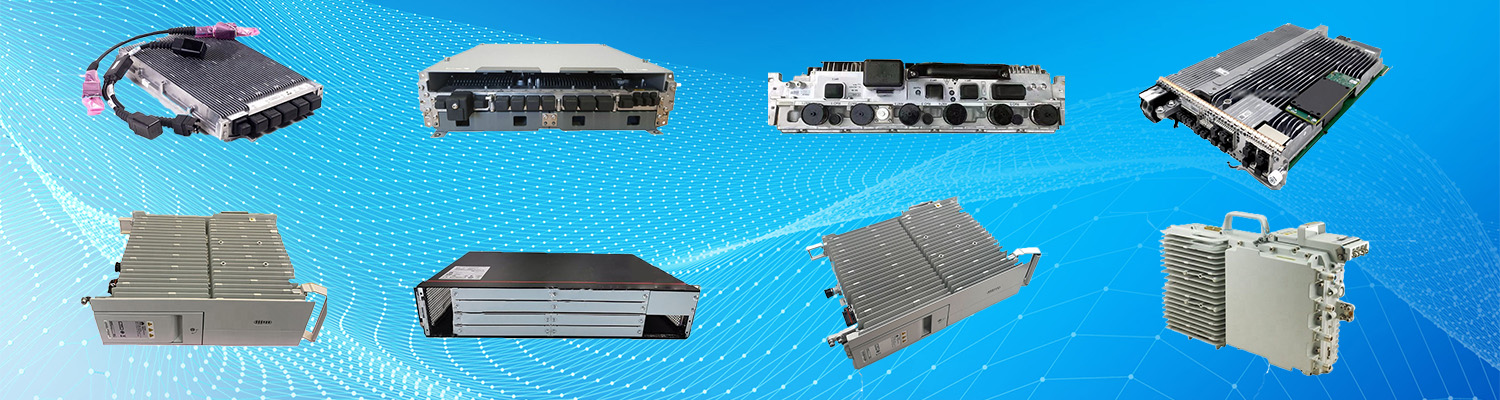
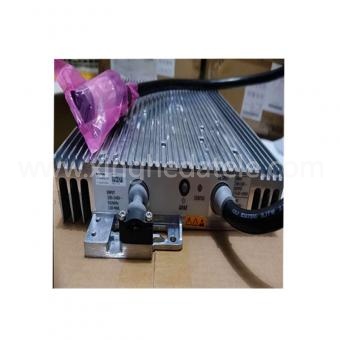
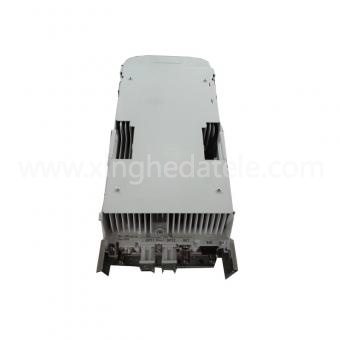
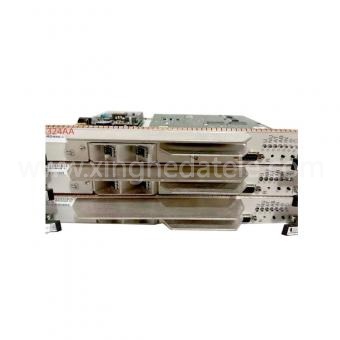
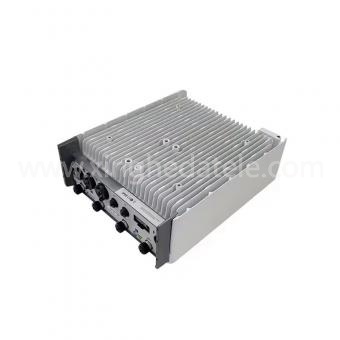
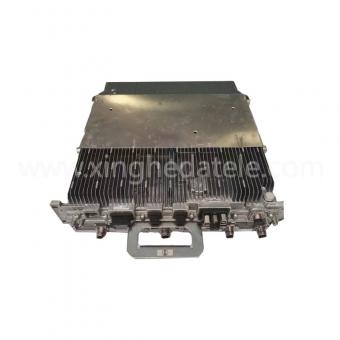
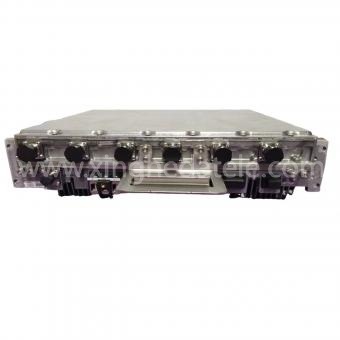
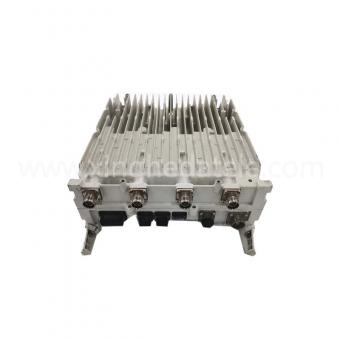
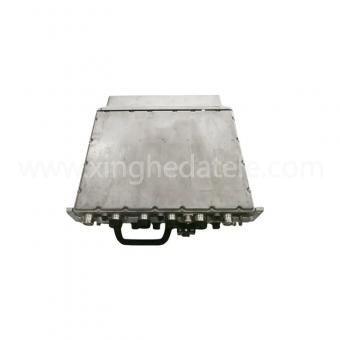
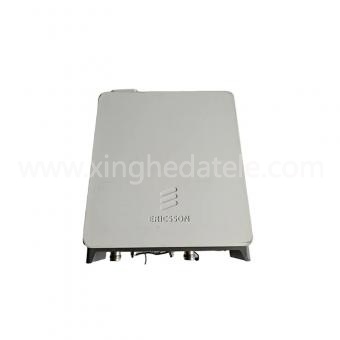
When cell‑site capacity maxes out or hardware failure threatens live service, mobile operators face urgent decisions: they cannot simply drop in any generic 5G‑labeled hardware. The replacement base‑board or remote radio unit must align with existing AirScale platform hardware, running software versions and fronthaul interfaces. This operational reality fuels ongoing market demand for compatible Nokia base‑board upgrades, spare parts and matching RRU hardware for capacity expansion and fault recovery.
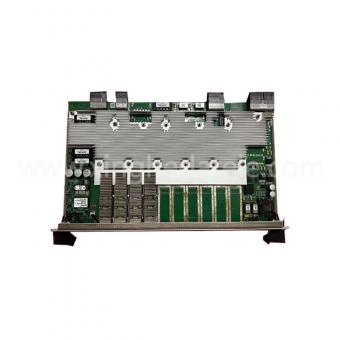
A baseband board undertakes core digital signal processing for radio traffic scheduling, timing synchronization and signal encoding/decoding within BBU cabinets. It works closely with RRUs deployed at tower‑top to deliver radio coverage, throughput and user‑plane processing. No single board independently determines end‑user performance; overall network behavior depends on full coordination between chassis hardware, radio units, optical modules and active software releases.
There are no standalone public audit statistics tracking pure base‑board shipment volumes for Nokia hardware. However, industry‑wide operator investment reports and mobile‑traffic forecasts help explain why procurement for spare and upgrade hardware keeps rising. These macro‑level statistics describe the broader market landscape and are not direct sales figures for individual component parts.
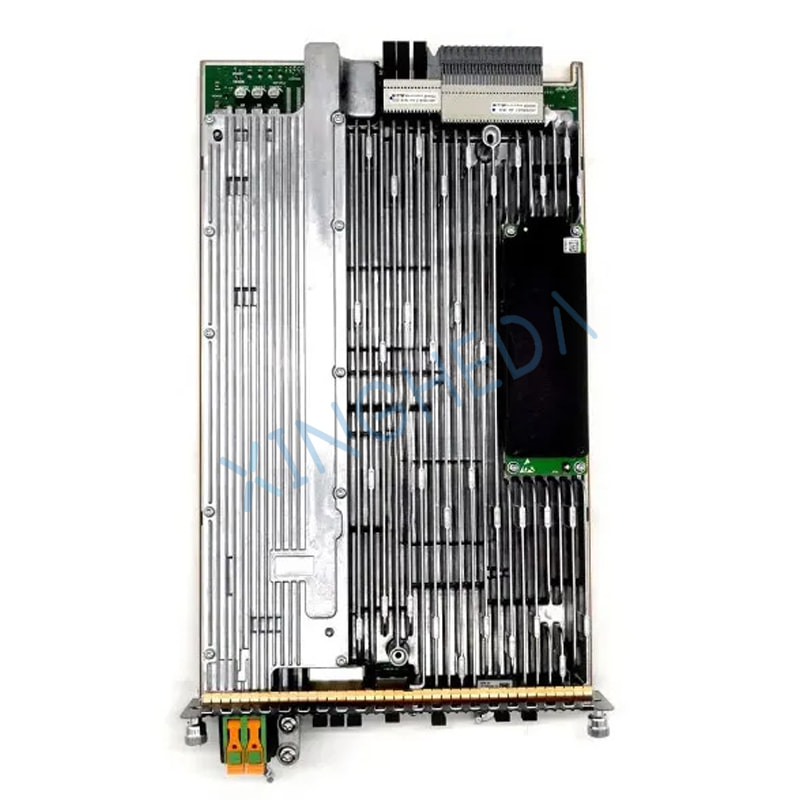
These industry forecasts signal continuous infrastructure investment, but they do not mean every cell‑site automatically needs new hardware. Operators add or swap boards and radio units only when traffic projections, service‑level agreements, hardware failure or vendor end‑of‑support timelines justify capital outlay.
Modern 5G sites deploy multi‑band carrier aggregation alongside 4T4R, 6T6R and higher‑order MIMO radio configurations. These advanced radio features raise baseband computational overhead as well as fronthaul bandwidth consumption. When planning upgrades, operators cannot rely on vague marketing statements such as “5G‑capable”. Every candidate base‑board must explicitly support target radio combinations within its host AirScale platform. Engineers should cross‑check maximum supported sector capacity, allowed band combinations and validated software releases against official product documentation or authorized technical consulting resources.
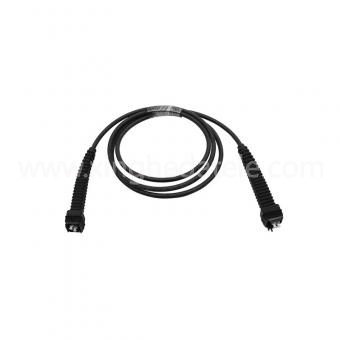
Fronthaul links carry IQ‑sample data between baseband boards and tower‑mounted remote radio units. Many modern deployments adopt Ethernet‑based eCPRI interfaces, replacing older CPRI connections. However, simple physical connector matching does not guarantee interoperability. Operators must verify port specifications, approved optical transceiver modules, link bit‑rates and validated RRU‑to‑base‑board pairing. Visually similar ports can produce unstable links, synchronization alarms or partial service degradation if mismatched hardware is combined in live networks.
Network modernization consists of both hardware replacement and iterative software updates. New software releases deliver feature enhancements, security patches and revised capacity limits. At the same time, legacy hardware gradually reaches end‑of‑vendor‑support status, and spare‑part availability contracts. Compatibility cannot be inferred from board appearance or product family naming. For every part number, official Nokia product and support documentation remains the definitive reference for supported software versions, feature sets and allowed RRU pairings.
The projected growth to 5.6 billion global 5G subscriptions by 2029 fuels ongoing network build‑out. Operators deploy brand‑new sites, add extra sectors at existing locations, or upgrade processing capacity at high‑traffic hotspots. Hardware requirements diverge significantly: coverage‑oriented rural sites and dense downtown hot‑spots demand entirely different combinations of base‑board processing and RRU output power. Site‑by‑site traffic modelling should always precede component procurement decisions.
3GPP Release 18 defines the first major standardization cycle for 5G‑Advanced, introducing new capabilities for network slicing enhancements, integrated sensing and other advanced use‑cases. It is critical to understand that publishing a new standard specification does not automatically grant legacy base‑boards the ability to run Release‑18‑native features. Before specifying hardware for 5G‑Advanced evolution, operators need to confirm vendor‑specific feature enablement, mandatory software prerequisites and inherent hardware limitations of existing base‑board and RRU hardware pools.
Open‑RAN frameworks encourage standardized, interoperable interfaces and more flexible deployment architectures via specifications published by the O‑RAN Alliance. Nevertheless, “open” does not mean any third‑party base‑board can plug‑and‑play inside a Nokia AirScale cabinet. Nokia‑built deployments follow tightly integrated design rules. When considering multi‑vendor component mixing, operators must fully validate control‑plane interfaces, timing synchronization requirements, management‑plane compatibility and long‑term vendor support obligations before introducing heterogeneous hardware into production networks.
Hardware faults, scheduled maintenance windows and end‑of‑support transitions create steady demand for verified spare hardware, covering brand‑new, refurbished and surplus component options. Condition and vendor support status vary widely across second‑hand markets. Simply matching part‑number labels on the casing offers zero guarantee that a pre‑owned board or RRU is fully functional, authentic, or compatible with currently‑running site software releases. Faulty or mis‑matched spare hardware can trigger extended outages and expensive field rework.
For network operators, system integrators and field‑maintenance teams, these trends translate into stricter pre‑qualification workflows. Mismatched base‑boards or incompatible RRU hardware can delay service restoration, trigger persistent configuration faults or leave planned capacity upgrades unrealized. Component purchase price is merely one element of total project cost; teams must also budget for pre‑deployment testing, logistics, field‑installation labor, software‑license adjustments and outage‑mitigation risk.
Procurement workflows should explicitly separate three distinct use‑cases:
When assessing hardware sources, buyers should insist on traceable part identifiers, clear hardware‑condition descriptions, available test documentation, formal warranty language and well‑defined return procedures. These measures mitigate sourcing risks, yet they cannot supersede official platform‑specific compatibility guidance from original‑equipment documentation.
Assign certified technical staff following site‑approved maintenance workflows. Always back‑up running configurations before hardware swap‑out, observe electrostatic‑discharge protection protocols and strictly adhere to platform power‑on and insertion sequences. After completing physical installation, verify system alarms, hardware recognition status, software health indicators, RRU radio connectivity, synchronization quality and end‑to‑end service performance. Document all installed‑part identifiers and post‑installation test results to simplify future maintenance cycles.
5G‑driven capital investment, surging mobile‑traffic volumes, evolving standards such as 5G‑Advanced and inevitable hardware‑lifecycle transitions jointly sustain demand for Nokia base‑boards and compatible RRU hardware. Industry‑level forecasts illustrate general investment directions but cannot identify the correct hardware combination for any individual cell‑site. Successful procurement depends on precise matching of part numbers, host‑platform constraints, software releases, capacity specifications and fronthaul interface requirements. After hardware delivery, thorough condition verification and structured post‑installation testing ensure predictable results. Treating component procurement as part of an overall site‑modernization strategy rather than isolated spare‑part purchasing minimizes field‑failure risk and maximizes return on infrastructure investment.
‑ Ericsson, Ericsson Mobility Report, June 2024: forecast of 5.6 billion 5G subscriptions globally by end‑2029. ‑ GSMA, The Mobile Economy 2024: projected mobile‑operator capital expenditure of approximately USD 600 billion during 2024‑2030, with 92 % allocated to 5G deployments. ‑ ITU‑R Recommendation M.2410: baseline performance requirements for IMT‑2020 radio‑interface systems. ‑ 3GPP Release 18 specifications covering 5G‑Advanced capabilities. ‑ O‑RAN Alliance published specifications for open‑radio‑access‑network architecture and interface definitions.
Q: What core specifications should operators evaluate before purchasing Nokia‑compatible base‑boards and RRUs?
A: Confirm exact part‑number compatibility with the host AirScale platform and target software release. Additionally validate supported sector‑capacity limits, allowed radio‑unit and band combinations, timing‑synchronization constraints and fronthaul‑interface parameters against official product documentation.
Q: How do I select hardware for capacity‑upgrade projects?
A: Evaluate the complete end‑to‑end site solution including base‑board, chassis, software stack and paired RRU hardware to ensure they collectively deliver the intended throughput and sector capacity. Always ground hardware‑selection decisions on site‑specific traffic forecasts and service‑level requirements.
Q: Which validation steps are mandatory prior to hardware installation?
A: Deployment must be performed by qualified technicians following site‑approved maintenance procedures. Always back‑up active configurations and strictly follow official installation instructions. Post‑swap, verify alarm status, radio‑link health, synchronization and end‑user‑service performance.
Q: What points should I focus on regarding warranty and return terms?
A: Secure explicit written warranty coverage and return‑eligibility clauses from hardware suppliers. This reduces risk arising from defective or incompletely‑specified hardware deliveries.
Q: How does 5G‑network expansion influence demand for base‑board and RRU hardware?
A: Expanding global 5G adoption drives operator needs for capacity upgrades, new‑site build‑outs and fault‑tolerant spare‑part pools. Correct hardware matching between base‑band processing and remote radio hardware is essential to satisfy rising subscriber‑traffic demands.
2506 Xidi Building, No. 8 Fenglin Third Road,Yuelu District, Changsha City, Hunan Province