Nokia FBBC

News

  • Baseband Unit Modernization: Balancing Legacy Support and 5G‑Advanced Evolution for Ericsson RBS 6000 Series
    Baseband Unit Modernization: Balancing Legacy Support and 5G‑Advanced Evolution for Ericsson RBS 6000 Series Nov 03, 2026
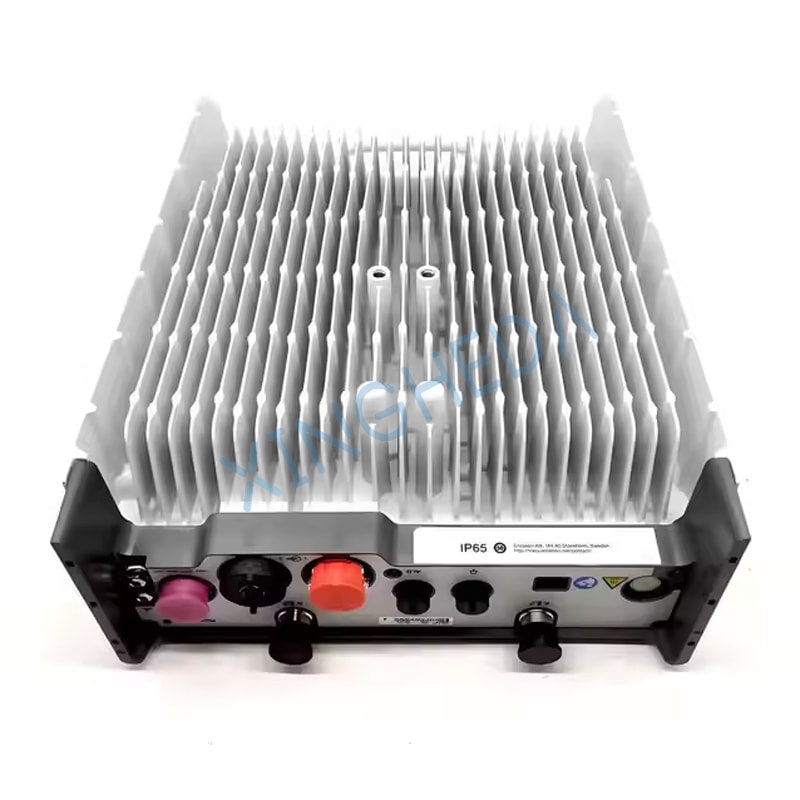
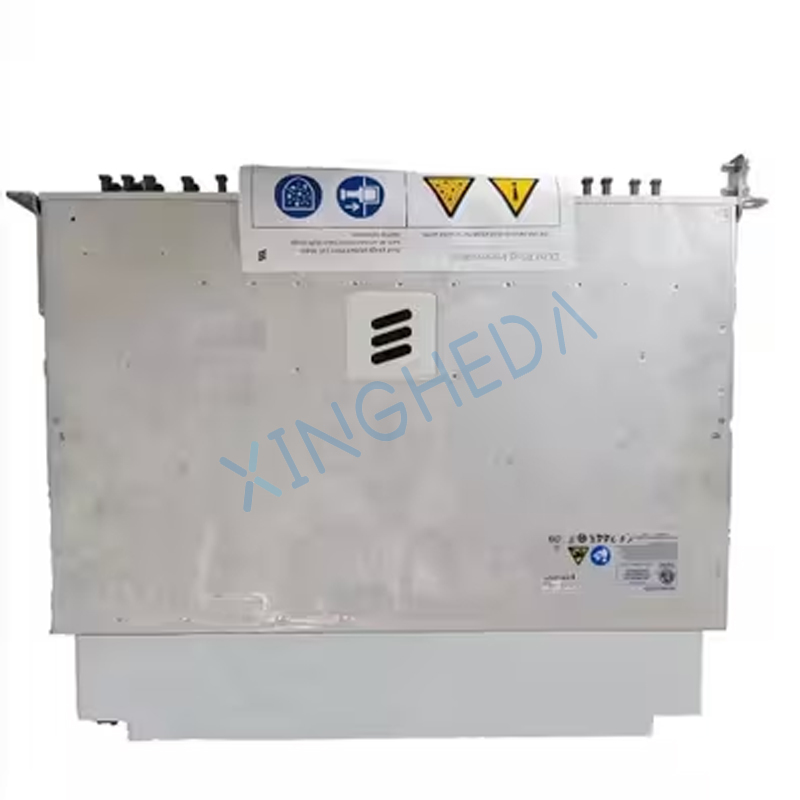
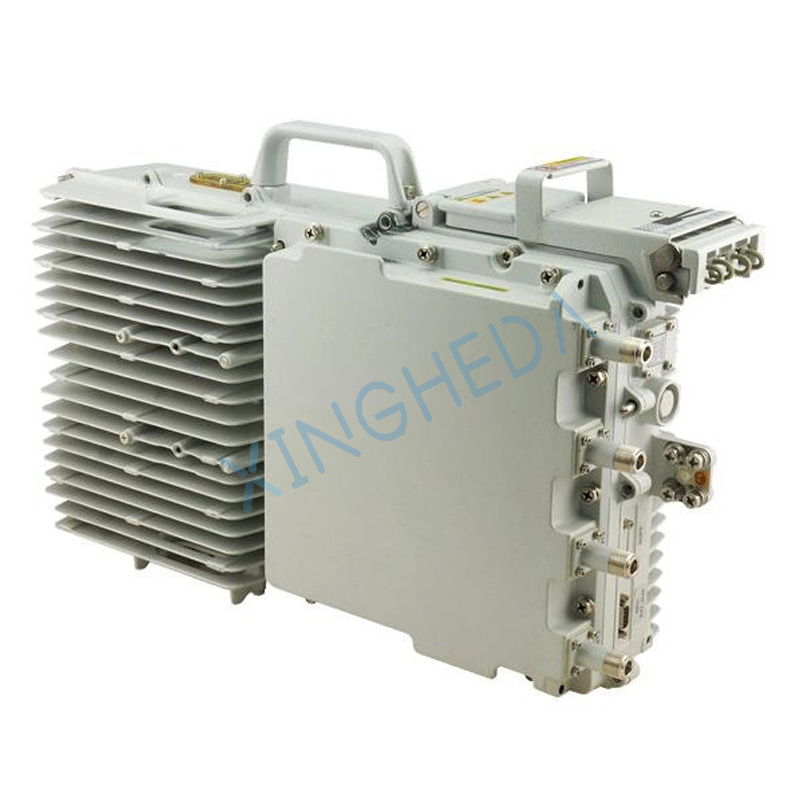
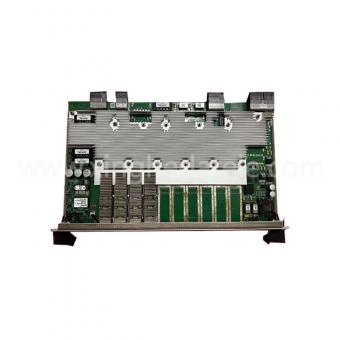
    Against the backdrop of exponential growth in mobile broadband and IoT‑driven data volume, telecom operators face a core challenge: how to leverage existing base‑station hardware assets while steadily migrating toward 5G‑Advanced capabilities. Baseband units stand as the digital heart of cellular sites, undertaking signal encoding‑decoding, resource scheduling, timing synchronization and fronthaul management for connected remote radio units. Within the widely‑deployed Ericsson RBS 6000 ecosystem, hardware such as Baseband 6630, Baseband 5212 delivers proven mixed‑mode processing for GSM, WCDMA, LTE‑FDD, LTE‑TDD and early‑phase 5G NR, helping operators achieve smooth multi‑generation network coexistence. Understanding Ericsson RBS6000 Baseband Unit Architecture: Backbone of Hybrid‑Mode Cellular Networks Ericsson baseband units are modular rack‑mount processing boards designed to pair with outdoor RRUs over CPRI or eCPRI optical fronthaul links. Unlike all‑in‑one integrated base stations, this distributed architecture separates digital baseband processing from RF radio hardware, allowing operators to upgrade baseband computing capacity independently without full replacement of site radio equipment. Representative models within this product family include: Baseband 6630: High‑density processing unit supporting multi‑sector, multi‑band operation, compatible with 8T8R TDD radios such as Radio 8863 B40 (KRC 161 860/1). It supports DRAN and CRAN deployment modes, delivering rich CPRI port resources for large‑scale site expansion. Baseband 5212: Cost‑effective mid‑capacity baseband option, optimized for general‑purpose macro sites, supporting concurrent GSM, WCDMA and LTE services for medium‑sized traffic loads. Radio 8863 B40 (KRC 161 860/1): 8T8R Band40 2300MHz TDD remote radio unit, commonly mated with Baseband 6630 for urban TD‑LTE capacity enhancement. Radio 4428 B3B: FDD‑band RRU, frequently combined with above baseband boards to build hybrid FDD+TDD multi‑band macro cell sites. This tightly‑integrated hardware ecosystem enables operators to retain existing tower, power and cabling infrastructure, reducing total capital expenditure during network upgrades. Multi‑Sector Deployment Fields for Ericsson Baseband Hardware Thanks to flexible multi‑standard processing capacity, these baseband boards are widely adopted across diverse vertical markets: Mobile Operator Macro Networks: Handle mixed 2G/3G/4G/5G traffic across urban cores, suburban areas and town‑level sites, supporting massive concurrent subscriber connections. Large‑Scale Venues & Campus Networks: Stadiums, industrial parks and university campuses demand high peak‑time throughput; baseband units coordinate Massive MIMO RRUs to ease network congestion during high‑density user gatherings. Smart City Infrastructure: Process real‑time data streams from traffic sensors, public monitoring terminals and city IoT nodes, offering low‑latency reliable wireless backhaul for smart‑city service roll‑o...
    view details
  • Why Genuine Huawei Baseband Boards Matter for Reliable 4G and 5G Network Performance
    Why Genuine Huawei Baseband Boards Matter for Reliable 4G and 5G Network Performance Oct 27, 2026
    Modern mobile networks are pushing higher throughput, lower latency, and massive‑scale device connectivity every day. Network operators frequently struggle with unstable connections, unexpected service interruptions, and sub‑optimal throughput caused by counterfeit or mismatched baseband hardware. Genuine Huawei baseband boards deliver robust signal processing capabilities to resolve these pain points, stabilizing network performance across diverse deployment scenarios. This article explains core functions, real‑world deployment scenarios, key performance advantages, and practical advice for network operators managing 4G‑5G infrastructure. What Is a Huawei Baseband Board? A baseband board acts as the digital processing core inside BBU (Baseband Unit) equipment. It handles critical wireless tasks including signal encoding, decoding, modulation and demodulation, and communicates with remote radio units over CPRI or eCPRI interfaces. Following 3GPP industry specifications, authentic hardware undergoes strict performance and reliability testing to maintain consistent service quality under heavy traffic loads. Without qualified baseband processing, voice calls, video streams, and IoT data transmission will suffer from drops, delays, or data corruption. Main Application Scenarios Genuine Huawei baseband boards support multi‑mode network operation and fit a wide range of use‑cases: Macro 4G / 5G Base Station Networks: Handles high‑volume user access in urban and suburban sites. Field tests show peak‑hour network congestion can drop by up to 50% when using original hardware, greatly improving user experience during rush‑hour traffic surges. Smart City IoT Deployments: Supports massive IoT sensor access for traffic monitoring, public utilities and environmental monitoring. Original boards reduce end‑to‑end device response latency by approximately 35%, enabling timely collection of sensor data. Enterprise Private Wireless Networks: Used for factory campuses, mining sites and industrial parks. Stable baseband processing guarantees reliable real‑time communication for automated production equipment and on‑site mobile terminals. Connected Vehicle V2X Systems: Supports low‑latency vehicle‑to‑everything communication, which is essential for road safety alerts and intelligent transportation services. Core Advantages of Genuine Huawei Baseband Boards Choosing authentic baseband hardware brings measurable operational benefits for telecom operators and private network builders: Superior Signal Stability: Original boards deliver up to 28% improvement in signal stability versus non‑genuine alternatives, reducing random call drops and packet loss in complex radio environments. Ultra‑Low Transmission Latency: Optimized hardware architecture achieves latency levels down to 6ms, perfectly matching real‑time services such as cloud gaming, industrial control and V2X applications. Flexible Multi‑Mode Scalability: Supports smooth coexistence of 4G LTE and 5G NR services. Ope...
    view details
  • Baseband Unit (BBU): What Does BBU Mean?
    Baseband Unit (BBU): What Does BBU Mean? Oct 20, 2026
    What is a BBU? Understanding the Baseband Unit In today's discussion, we explore the baseband unit (BBU), a critical component of the radio access network (RAN). This article covers its role, importance, core functions, internal architecture, and the real‑world products that bring this technology to life in 4G and 5G networks. A baseband unit (BBU) is a fundamental building block of wireless communication systems, especially in cellular networks. It processes baseband signals — the original frequencies of transmissions before they undergo modulation. The BBU is responsible for converting, framing, and modulating these signals to ensure efficient and reliable transmission. Essentially, the BBU acts as the "brain" of the base‑station system, coordinating effective communication between various network elements. Because the signals it handles carry information in its raw, unmodulated form, the BBU is crucial for preserving the integrity of voice, messaging, and mobile data throughout the delivery chain. Definition: What Does BBU Mean? BBU stands for Baseband Unit. It processes baseband signals and plays a pivotal role in both 4G LTE and 5G networks. In 5G environments, the BBU is responsible for managing all 5G protocol stacks and ensuring seamless, low‑latency connectivity to the 5G core network. Under 5G specifications, the traditional monolithic BBU is logically split into a Central Unit (CU) and a Distributed Unit (DU), yet the combined hardware continues to perform the overall baseband‑processing mission. How Does a BBU Work? A baseband unit performs several critical functions in a wireless communication system: Signal Processing — The BBU handles the digital processing of information between a base station (BS) and mobile devices. It enables voice and high‑speed data transmission by interpreting, encoding, and managing the baseband frequencies allocated to each connected user. Network Interconnection — The BBU interfaces with both the radio network and the core network. It connects to the core network via fiber‑optic backhaul cables, supporting network management functions and ensuring smooth bidirectional data flow. Radio‑Resource & Control Functions — The BBU manages radio resources, handles power control, and oversees system maintenance to ensure efficient, high‑quality base‑station operation across all served cells. Integration with Remote Radio Heads (RRH / RRU) — BBUs work in tandem with Remote Radio Heads. Baseband data travels over fiber fronthaul links (CPRI / eCPRI) to distributed RRUs mounted near cell‑site antennas, where digital signals are converted to radio frequency for over‑the‑air transmission — and back again on the receive path. C‑RAN Architecture — In Cloud Radio Access Network (C‑RAN) deployments, BBUs are centralized and pooled inside data‑center‑style equipment rooms, while RRUs remain distributed at physical cell sites. This separation enables resource sharing, simplified upgrades, and more flexible, scalable netwo...
    view details

  • How Spare ERICSSON RRUs Reduce Maintenance Risks
    How Spare ERICSSON RRUs Reduce Maintenance Risks Oct 15, 2026
    In the fast‑paced environments of telecommunications, deploying effective ERICSSON RRU spare parts can significantly mitigate maintenance risks. Users often struggle with prolonged downtimes and high operational costs due to inadequate spare‑part availability for widely‑deployed models such as Radio 4418 B40T (KRC 161 706/1) and Radio 8863 B40 (KRC 161 860/1). Proactive spare‑part planning can address these challenges efficiently. In this article, we’ll explore how utilizing spare ERICSSON RRUs solves common operational issues, highlights user needs, and improves operational efficiency, with quantifiable results and real‑world operator experiences to back our claims. How Spare ERICSSON RRUs Reduce Maintenance Risks Telecom professionals face unique challenges, including system malfunctions and unexpected outdoor equipment failures. RRUs like the 4T4R Radio 4418 B40T and 8T8R Massive‑MIMO Radio 8863 B40 operate continuously on tower rooftops under harsh temperature, humidity and lightning conditions. Such disruptions often lead to downtime rates averaging 15% annually for telecom companies. Users seek reliable solutions that not only ensure continued service but also reduce long‑term maintenance costs. Statistics show that implementing a well‑managed spare RRU inventory can result in a 30% decrease in both downtime and repair‑related expenses, providing vital cash flow and consistent service reliability. Understanding User Intentions and Needs To optimize the use of ERICSSON RRUs, specific preparations must be met: Inventory Assessment: Review existing inventory budgets to identify spare parts availability, cross‑referencing deployed part numbers including KRC 161 706/1 and KRC 161 860/1. Documentation: Ensure all system manuals and maintenance logs are up‑to‑date to support quick field implementation for different RRU hardware variants. Training: Equip staff with proper training materials related to ERICSSON equipment handling and field troubleshooting for both standard macro RRUs and Massive‑MIMO RRU units. Tool Inventory: Have essential tools like multimeters, torque wrenches, fiber inspection kits, and anti‑static equipment ready for RRU replacement work. Required Preparation for Implementing Spare ERICSSON RRUs Follow these actionable steps for effective integration of spare ERICSSON RRUs: Step 1: Assess Equipment Health — Use performance monitoring tools and network alarm data to evaluate the current state of your faulty RRU equipment, whether it is Radio 4418 B40T, Radio 8863 B40 or other series. Step 2: Procure Spare RRUs — Source ERICSSON RRUs from qualified suppliers, ensuring compliance with industry‑accepted testing standards such as IEC 61508. Verify RF performance, CPRI/eCPRI link functionality for Massive‑MIMO models such as 8863 B40. Step 3: Install the Spare RRU — Refer to the official ERICSSON installation guide, and wear anti‑static protective gear to prevent hardware damage. This step generally takes about 45‑60 minutes for tra...
    view details
  • Ericsson Baseband Boards – Core RAN Compute Hardware for 4G & 5G Mobile Networks
    Ericsson Baseband Boards – Core RAN Compute Hardware for 4G & 5G Mobile Networks Oct 14, 2026
    Ericsson Baseband Boards are the core digital processing hardware of Ericsson Radio System (ERS) and RAN Compute portfolio, widely deployed by global mobile operators for LTE and 5G NR networks. As the signal processing heart of base stations, these boards handle uplink/downlink digital signal processing, coding/decoding, resource scheduling and interface connections to remote radio units (RRUs) via CPRI or eCPRI fiber links. The Ericsson baseband portfolio covers classic series including Baseband 6620, 6630 and high-performance Baseband 6648. The hardware supports multi-standard mixed-mode operation: GSM, WCDMA, LTE and 5G NR can run concurrently on one single board, helping operators achieve smooth spectrum sharing and gradual network evolution without massive hardware replacement. Built on 19-inch rack 1U modular design, the boards feature high integration, optimized power consumption and support CU/DU split architecture, laying a solid foundation for Cloud RAN and vRAN transformation Ericsson. These baseband boards are commonly used for macro sites, hotspot capacity expansion, indoor coverage and IoT network access. Our China-based telecom equipment supply team provides both new original and fully tested refurbished Ericsson baseband boards, with strict functional testing before shipment to meet global operators’ CAPEX-saving and spare-part maintenance demands. FAQ Q1: What is the main function of an Ericsson Baseband Board? A: It performs all baseband digital signal processing for mobile base stations, including encoding, decoding, modulation/demodulation, radio resource management, and data exchange between the core network and remote radio units (RRUs) through fiber front-haul interfaces. It is the brain of the 4G/5G base station. Q2: Can Ericsson Baseband Boards support both 4G LTE and 5G NR on one hardware card? A: Yes. Modern Ericsson baseband boards such as Baseband 6648 support mixed-mode operation of LTE and 5G NR. Operators can enable 5G features via software upgrade, realizing dynamic spectrum sharing between 4G and 5G and protecting existing site investmentEricsson. Q3: What are the key models in the Ericsson baseband board family? A: The mainstream models include Baseband 6620, Baseband 6630 and Baseband 6648. Baseband 6620/6630 are widely used for LTE and early 5G deployment. Baseband 6648 is the high-capacity variant, delivering up to 3x higher capacity than older generations for high-traffic urban sitesEricsson. Q4: What is the difference between new original and refurbished Ericsson baseband boards? A: New original units come with full factory warranty and zero running hours. Refurbished boards are pulled from decommissioned networks, fully inspected and 100% function-tested. Refurbished options cut project cost significantly and are ideal for network maintenance, spare stock and capacity expansion. Q5: What technical checks should be performed before installing a used Ericsson baseband board? A: First verify hardware part nu...
    view details
  • Huawei’s Advanced 8T8R RRU Solution Sets New Global Benchmark for High-Speed Mobile Networks
    Huawei’s Advanced 8T8R RRU Solution Sets New Global Benchmark for High-Speed Mobile Networks Sep 16, 2026
    Casablanca, Morocco – September 16, 2026 – Huawei Technologies continues to lead global wireless infrastructure innovation with the successful commercial deployment of its cutting-edge 8T8R RRU (Remote Radio Unit) solution in partnership with Morocco’s leading telecom operator inwi, delivering unprecedented mobile network performance for high-speed railway scenarios and reshaping the standards of global 5G coverage and user experience. As a core radio access component of modern 5G networks, Huawei’s RRU series features modular design, ultra-high integration, and intelligent beamforming capabilities, serving as the key hardware foundation for wide-area wireless coverage, high-capacity data transmission and ultra-low-latency communication. The newly launched commercial dual-band 1.8GHz+2.1GHz 8T8R RRU solution is tailored for high-speed mobility scenarios, which have long been a pain point for mobile network operation due to fast signal fading, frequent handovers and unstable bandwidth supply. Equipped with Huawei’s self-developed HyperBeamforming intelligent beam technology, the upgraded RRU system achieves remarkable performance leaps in actual commercial applications. Field test data shows that the solution extends wireless signal coverage by 13dB, effectively solving the coverage blind spots and signal attenuation problems along high-speed rail lines. Meanwhile, it boosts end-user downlink throughput by 83%, enabling ultra-smooth 4K/8K video streaming, real-time cloud gaming and high-speed data access for passengers traveling at high speed. Different from traditional single-band RRU devices, Huawei’s dual-band 8T8R RRU integrates multi-frequency signal processing and intelligent signal scheduling functions. It can dynamically adjust beam directions and signal strength according to the operating speed and position of high-speed trains, realizing seamless network handover and stable connection. In addition, the highly integrated modular design simplifies on-site installation and deployment procedures, reduces equipment occupancy space and overall operation and maintenance costs for operators, and supports smooth network capacity expansion and iterative upgrading in the future. The commercial deployment in Morocco marks a major breakthrough in Huawei’s RRU technology for high-speed mobility scenarios, further consolidating the company’s leading position in the global RRU market. Against the backdrop of booming global 5G construction and accelerating Open RAN architecture iteration, Huawei’s diversified RRU product matrix covers multiple scenarios including urban dense areas, rural wide coverage, high-speed railways, industrial parks and mining areas, supporting multi-standard and multi-frequency network deployment. Industry analysts pointed out that high-speed railway scenarios represent the ultimate test of wireless network stability and coverage capability. Huawei’s 8T8R RRU solution not only solves the long-standing technical difficulties of mo...
    view details
1 2 3 ... 8

A total of 8 pages

Sign Up To Newsletter
To stay up-to-date on our promotions, discounts, sales, news and more.
Submit

Leave A Message

Leave A Message
If you have questions or suggestions,please leave us a message,we will reply you as soon as we can!

Home

Products

whatsApp

contact