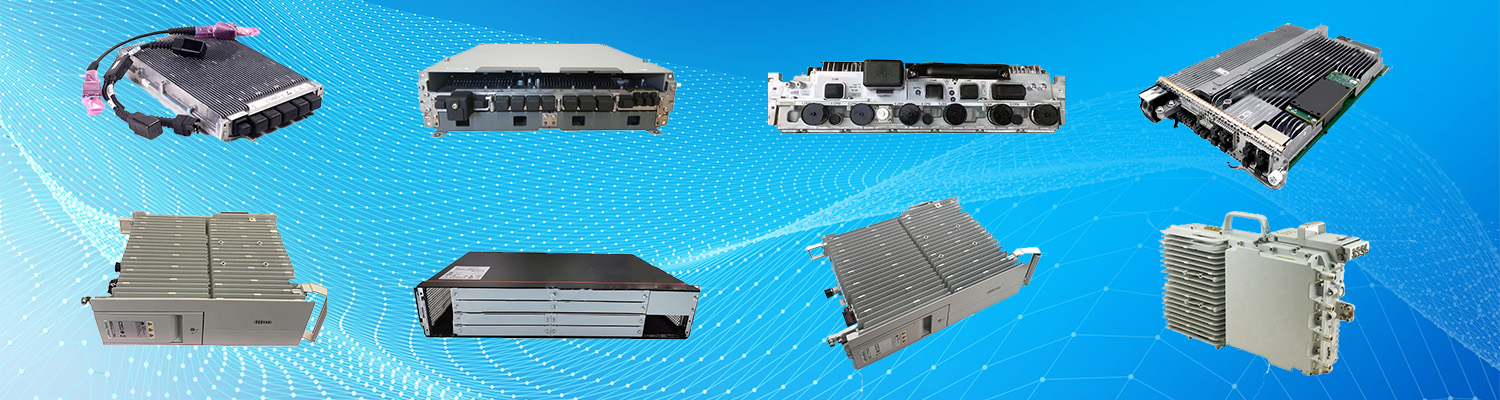
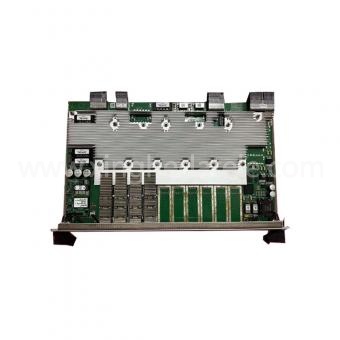
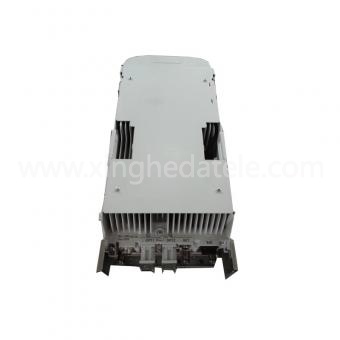
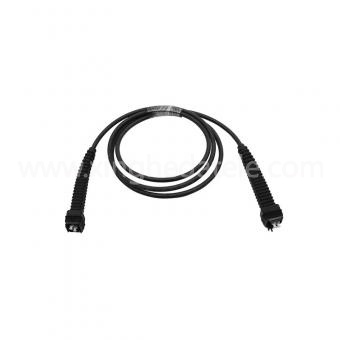
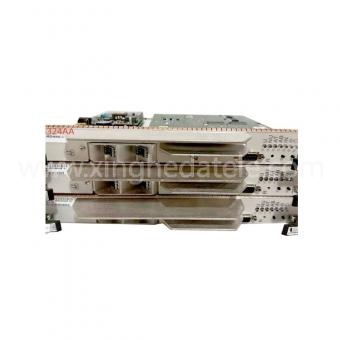
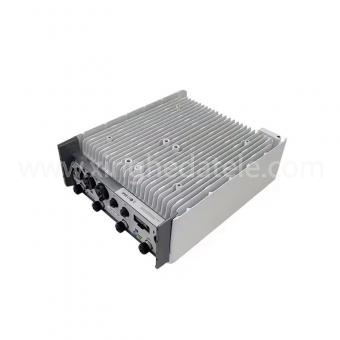
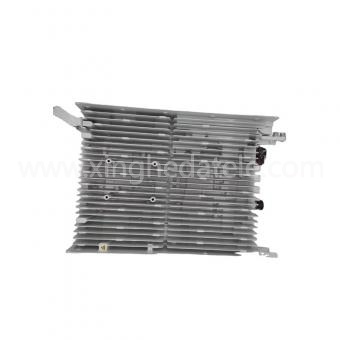
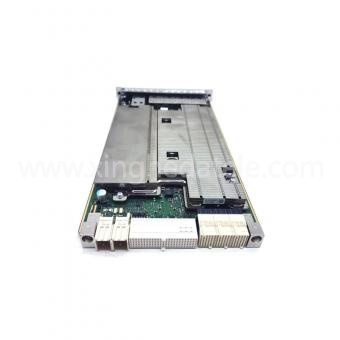
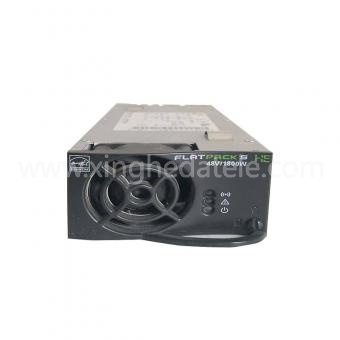
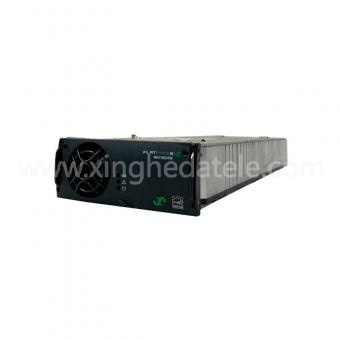
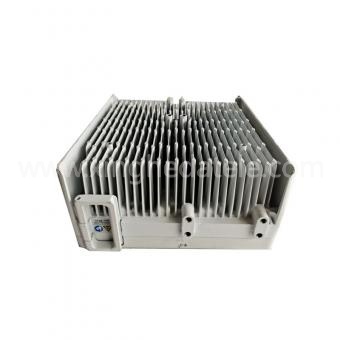
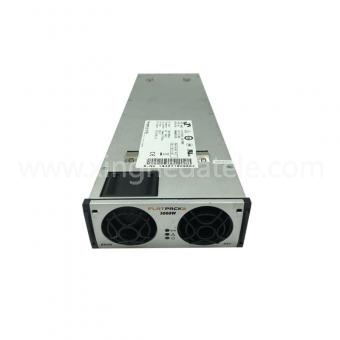
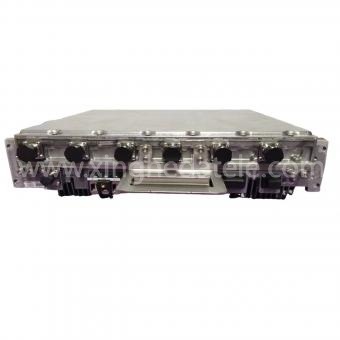
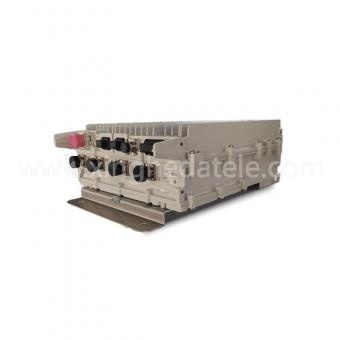
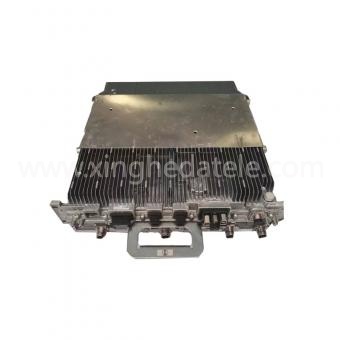
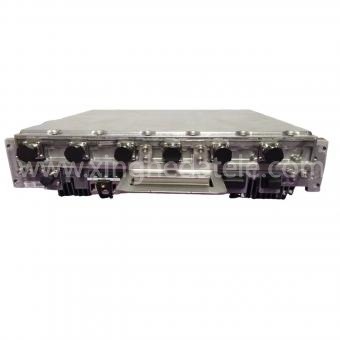
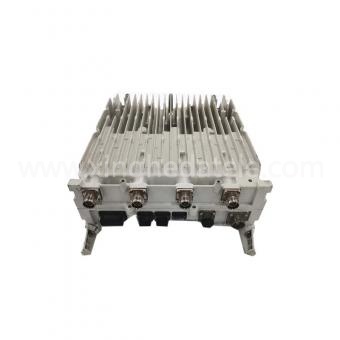
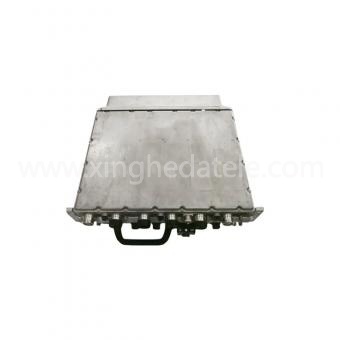
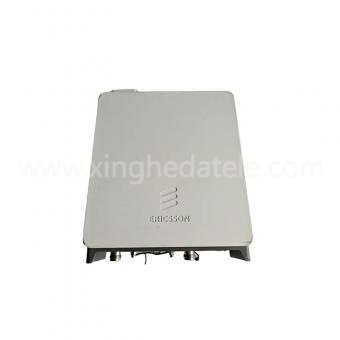
Ericsson Baseband Boards are the core digital processing hardware of Ericsson Radio System (ERS) and RAN Compute portfolio, widely deployed by global mobile operators for LTE and 5G NR networks. As the signal processing heart of base stations, these boards handle uplink/downlink digital signal processing, coding/decoding, resource scheduling and interface connections to remote radio units (RRUs) via CPRI or eCPRI fiber links.
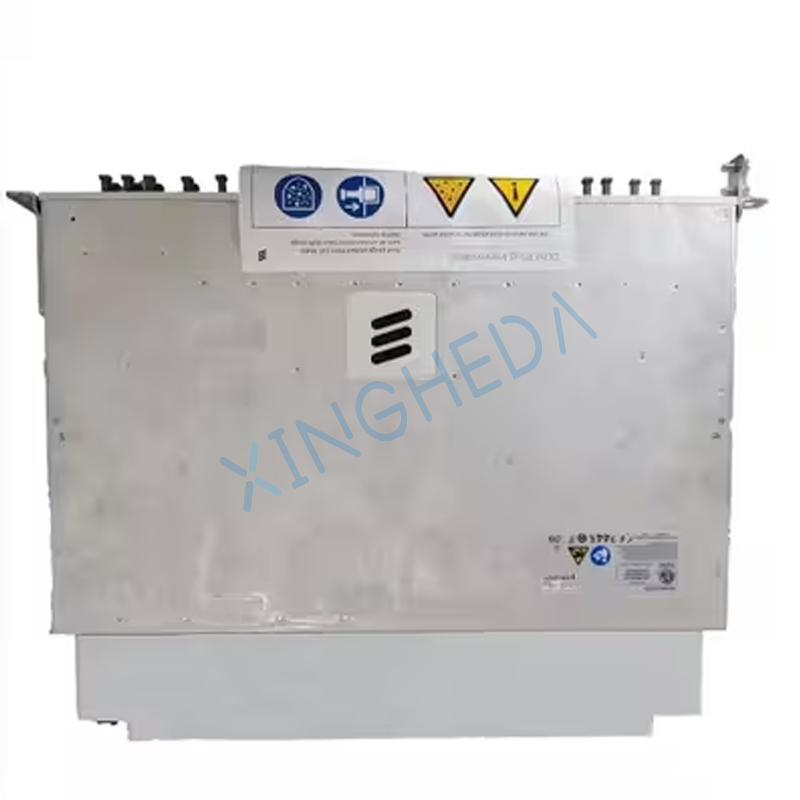
The Ericsson baseband portfolio covers classic series including Baseband 6620, 6630 and high-performance Baseband 6648. The hardware supports multi-standard mixed-mode operation: GSM, WCDMA, LTE and 5G NR can run concurrently on one single board, helping operators achieve smooth spectrum sharing and gradual network evolution without massive hardware replacement. Built on 19-inch rack 1U modular design, the boards feature high integration, optimized power consumption and support CU/DU split architecture, laying a solid foundation for Cloud RAN and vRAN transformation Ericsson.
These baseband boards are commonly used for macro sites, hotspot capacity expansion, indoor coverage and IoT network access. Our China-based telecom equipment supply team provides both new original and fully tested refurbished Ericsson baseband boards, with strict functional testing before shipment to meet global operators’ CAPEX-saving and spare-part maintenance demands.
Q1: What is the main function of an Ericsson Baseband Board?
A: It performs all baseband digital signal processing for mobile base stations, including encoding, decoding, modulation/demodulation, radio resource management, and data exchange between the core network and remote radio units (RRUs) through fiber front-haul interfaces. It is the brain of the 4G/5G base station.
Q2: Can Ericsson Baseband Boards support both 4G LTE and 5G NR on one hardware card?
A: Yes. Modern Ericsson baseband boards such as Baseband 6648 support mixed-mode operation of LTE and 5G NR. Operators can enable 5G features via software upgrade, realizing dynamic spectrum sharing between 4G and 5G and protecting existing site investmentEricsson.
Q3: What are the key models in the Ericsson baseband board family?
A: The mainstream models include Baseband 6620, Baseband 6630 and Baseband 6648. Baseband 6620/6630 are widely used for LTE and early 5G deployment. Baseband 6648 is the high-capacity variant, delivering up to 3x higher capacity than older generations for high-traffic urban sitesEricsson.
Q4: What is the difference between new original and refurbished Ericsson baseband boards?
A: New original units come with full factory warranty and zero running hours. Refurbished boards are pulled from decommissioned networks, fully inspected and 100% function-tested. Refurbished options cut project cost significantly and are ideal for network maintenance, spare stock and capacity expansion.
Q5: What technical checks should be performed before installing a used Ericsson baseband board?
A: First verify hardware part number compatibility with your existing ERS node configuration. Second run full power-on test, firmware version check, CPRI/eCPRI port connectivity test and temperature monitoring. Third check for physical damage on PCB, connectors and capacitors. We complete all these tests before delivery.
2506 Xidi Building, No. 8 Fenglin Third Road,Yuelu District, Changsha City, Hunan Province