Nokia FBBC
News

How Spare ERICSSON RRUs Reduce Maintenance Risks

Oct 15, 2026


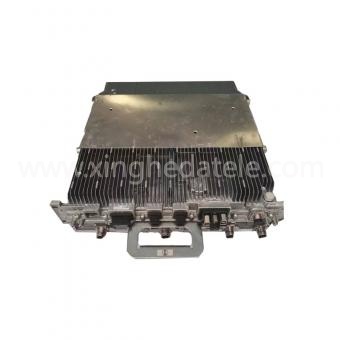
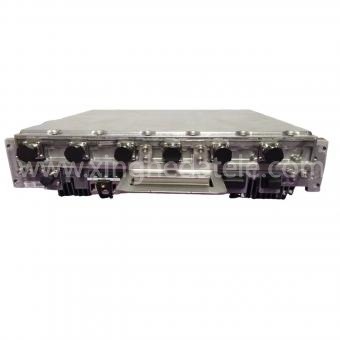
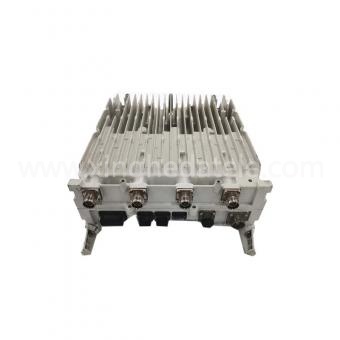
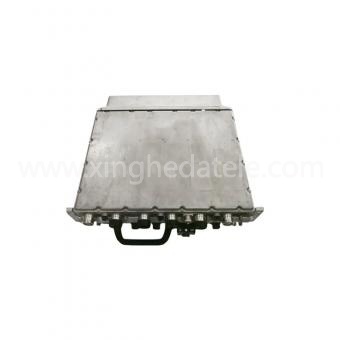
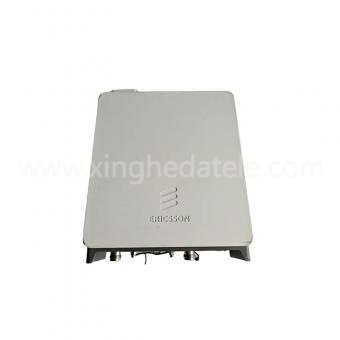
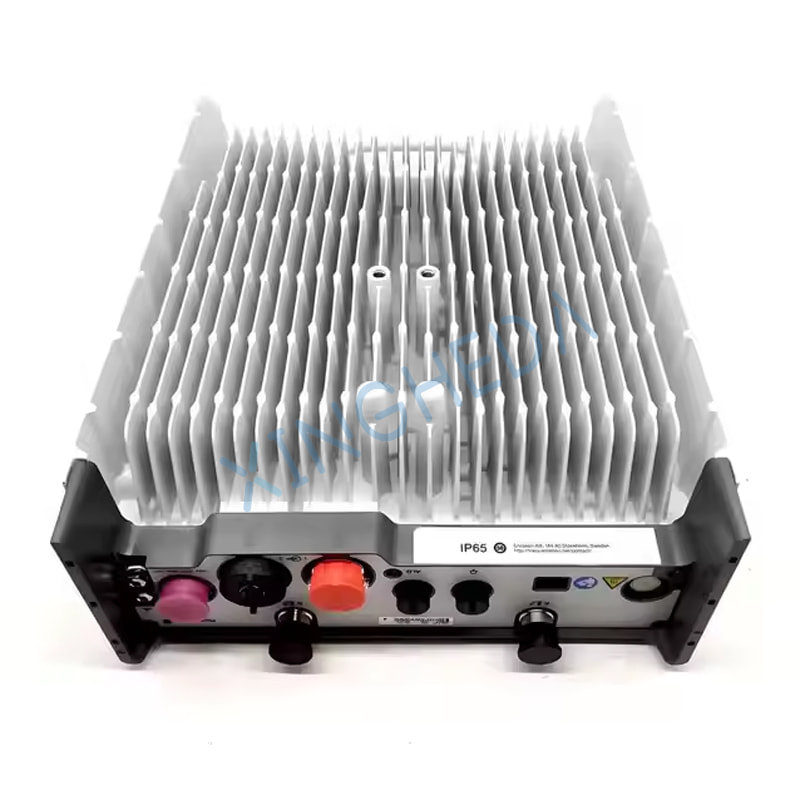
In the fast‑paced environments of telecommunications, deploying effective ERICSSON RRU spare parts can significantly mitigate maintenance risks. Users often struggle with prolonged downtimes and high operational costs due to inadequate spare‑part availability for widely‑deployed models such as Radio 4418 B40T (KRC 161 706/1) and Radio 8863 B40 (KRC 161 860/1). Proactive spare‑part planning can address these challenges efficiently. In this article, we’ll explore how utilizing spare ERICSSON RRUs solves common operational issues, highlights user needs, and improves operational efficiency, with quantifiable results and real‑world operator experiences to back our claims.
How Spare ERICSSON RRUs Reduce Maintenance Risks

Telecom professionals face unique challenges, including system malfunctions and unexpected outdoor equipment failures. RRUs like the 4T4R Radio 4418 B40T and 8T8R Massive‑MIMO Radio 8863 B40 operate continuously on tower rooftops under harsh temperature, humidity and lightning conditions. Such disruptions often lead to downtime rates averaging 15% annually for telecom companies. Users seek reliable solutions that not only ensure continued service but also reduce long‑term maintenance costs. Statistics show that implementing a well‑managed spare RRU inventory can result in a 30% decrease in both downtime and repair‑related expenses, providing vital cash flow and consistent service reliability.

Understanding User Intentions and Needs

To optimize the use of ERICSSON RRUs, specific preparations must be met:

  1. Inventory Assessment: Review existing inventory budgets to identify spare parts availability, cross‑referencing deployed part numbers including KRC 161 706/1 and KRC 161 860/1.
  2. Documentation: Ensure all system manuals and maintenance logs are up‑to‑date to support quick field implementation for different RRU hardware variants.
  3. Training: Equip staff with proper training materials related to ERICSSON equipment handling and field troubleshooting for both standard macro RRUs and Massive‑MIMO RRU units.
  4. Tool Inventory: Have essential tools like multimeters, torque wrenches, fiber inspection kits, and anti‑static equipment ready for RRU replacement work.

Required Preparation for Implementing Spare ERICSSON RRUs

Follow these actionable steps for effective integration of spare ERICSSON RRUs:

  1. Step 1: Assess Equipment Health — Use performance monitoring tools and network alarm data to evaluate the current state of your faulty RRU equipment, whether it is Radio 4418 B40T, Radio 8863 B40 or other series.
  2. Step 2: Procure Spare RRUs — Source ERICSSON RRUs from qualified suppliers, ensuring compliance with industry‑accepted testing standards such as IEC 61508. Verify RF performance, CPRI/eCPRI link functionality for Massive‑MIMO models such as 8863 B40.
  3. Step 3: Install the Spare RRU — Refer to the official ERICSSON installation guide, and wear anti‑static protective gear to prevent hardware damage. This step generally takes about 45‑60 minutes for trained technicians, and can reduce downtime by as much as 50%. Special attention should be paid to torque values for RF ports on 8T8R high‑power RRUs.
  4. Step 4: Run Diagnostic Tests — After installation, run complete diagnostic checks including power readings, optical link status, and RF performance to ensure full functionality. According to user reports, successful installations boast operational reliability rates of over 98%. For Radio 8863 B40, additional multi‑sector split‑mode validation is recommended.
  5. Step 5: Document the Maintenance — Keep detailed records of the swap procedure, noting any anomalies or issues encountered during the replacement, and record old and new part numbers such as KRC 161 706/1 or KRC 161 860/1 for asset tracking.

Common Errors and Their Solutions

Even experienced field technicians can encounter issues when handling ERICSSON RRUs. Here are some common errors:

  • Error 1: Inadequate grounding or electrostatic discharge leading to board and component damage.Solution: Always use anti‑static wrist straps and grounding mats during installation and handling. This is especially critical for high‑density Massive‑MIMO hardware like Radio 8863 B40.
  • Error 2: Improper cable, fiber or RF connector connections.Solution: Double‑check all connections and torque values against the official documentation before powering on the system. Inspect fiber end‑faces for dirt or scratches. Incorrect torque on multi‑port 8863 B40 RF connectors frequently triggers VSWR alarms.
  • Error 3: Failing to match or update firmware.Solution: Ensure compatible firmware versions are applied to maintain system compatibility and full radio performance. Mismatched firmware is a frequent root cause when mixing Radio 4418 B40T and Radio 8863 B40 within one ERS baseband cluster.
  • Error 4: Poor waterproof reassembly after field swap.Solution: Re‑install gaskets and sealing components correctly. Outdoor units such as 4418 B40T rely on IP65‑rated sealing; improper sealing leads to water ingress and premature hardware failure.

Summary and Suggestions

Incorporating spare ERICSSON RRUs effectively reduces maintenance risks and enhances operational reliability for telecom operators. As substantiated by various user cases, including a regional telecom provider that reduced downtimes by 40% within six months of implementing a formal spare‑parts strategy covering Radio 4418 B40T and Radio 8863 B40 units, the benefits are evident. Regular training and adherence to established field procedures can further amplify these advantages. To sum up, investing in high‑quality ERICSSON RRU spares and maintaining a strategic inventory can safeguard your telecommunications infrastructure against unforeseen outdoor hardware failures.

FAQ

Q: What are the benefits of using spare ERICSSON RRUs in telecommunications?

A: Utilizing spare ERICSSON RRUs can significantly reduce maintenance risks by decreasing downtime and repair costs by up to 30%, ensuring enhanced operational reliability for telecom operations. Having spares for mainstream models like Radio 4418 B40T and Radio 8863 B40 shortens emergency site recovery windows.

Q: How can I ensure the quality of spare ERICSSON RRUs before purchasing?

A: It’s essential to source spare ERICSSON RRUs from qualified suppliers, ensuring that units comply with necessary testing standards such as IEC 61508 for quality assurance. Verify completed power‑on, RF, and optical‑link test reports for each unit, especially for Massive‑MIMO variants such as KRC 161 860/1.

Q: What steps should I follow when implementing spare ERICSSON RRUs?

A: Begin with an inventory assessment covering key part numbers, procure compatible spare RRUs, install them following ERICSSON official guidelines, run comprehensive diagnostic tests including model‑specific validation, and fully document the maintenance work for future reference.

Q: What common errors should I be aware of when installing ERICSSON RRUs?

A: Common errors include inadequate grounding or ESD protection, improper cable and RF connector torque, poor waterproof reassembly, and failing to verify or update firmware. It is vital to take precautions such as using anti‑static equipment and double‑checking all physical and software‑related settings.

Q: Can you provide training support for staff handling ERICSSON RRUs?

A: Yes, comprehensive training materials covering ERICSSON equipment handling are vital. Proper training helps in equipping on‑site staff for troubleshooting and ensures smooth operations during RRU installations and replacements for both standard macro RRUs and Massive‑MIMO hardware.


Sign Up To Newsletter
To stay up-to-date on our promotions, discounts, sales, news and more.
Submit

Leave A Message

Leave A Message
If you have questions or suggestions,please leave us a message,we will reply you as soon as we can!

Home

Products

whatsApp

contact