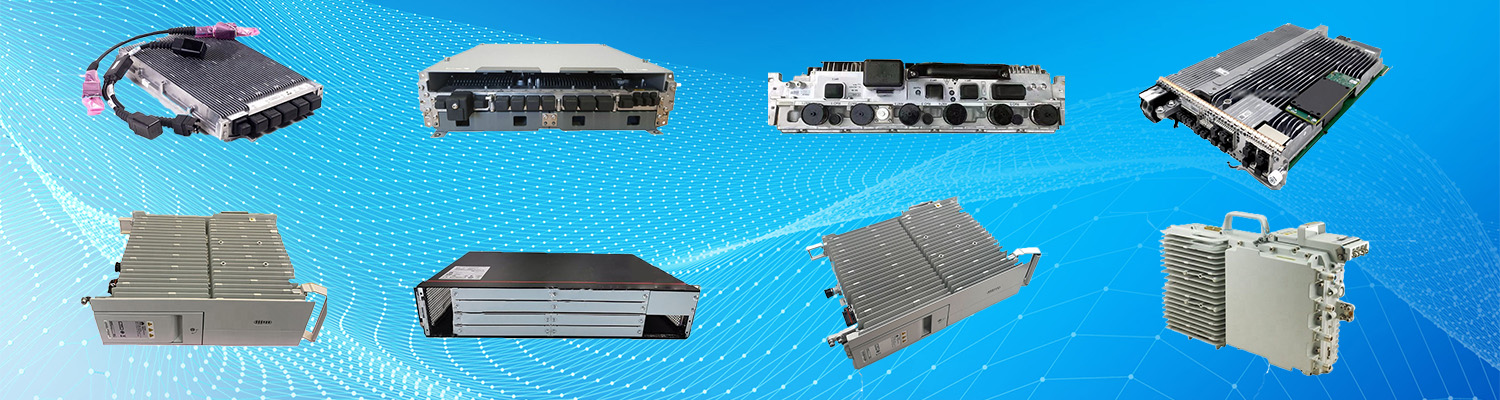
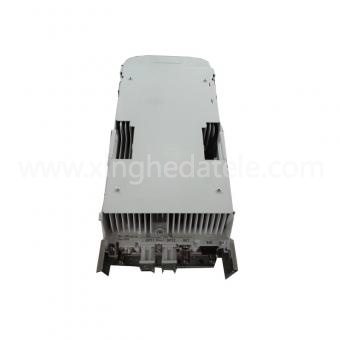
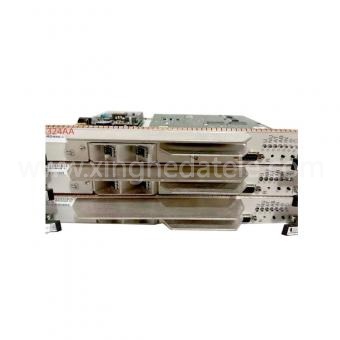
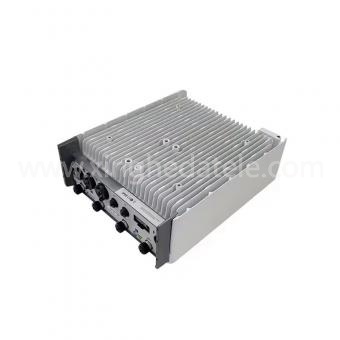
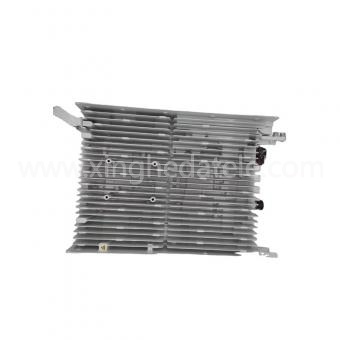
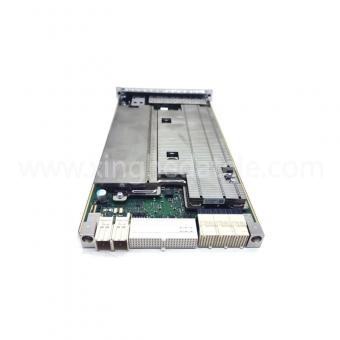
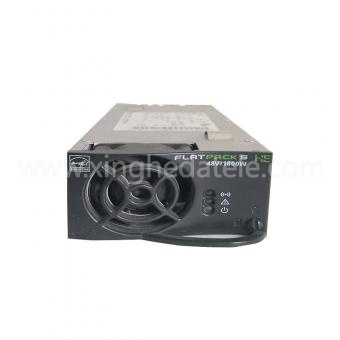
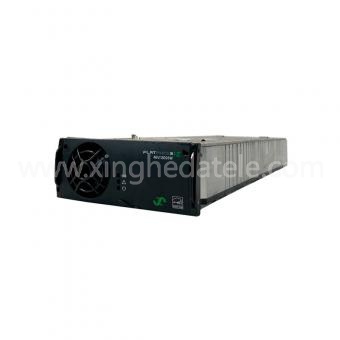
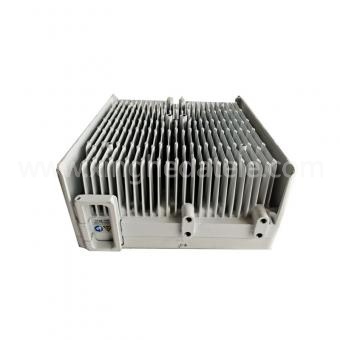
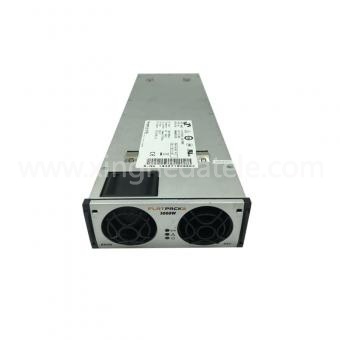
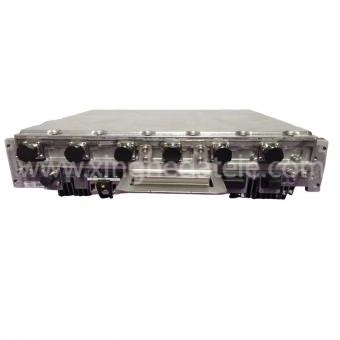
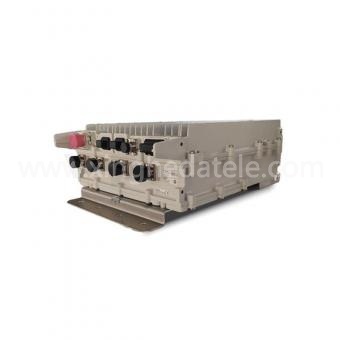
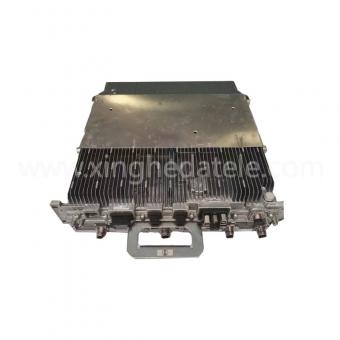
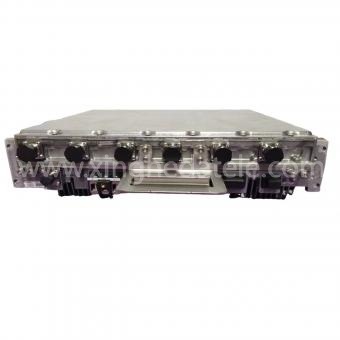
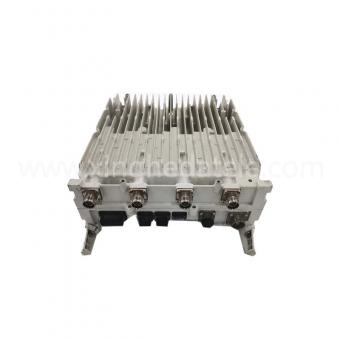
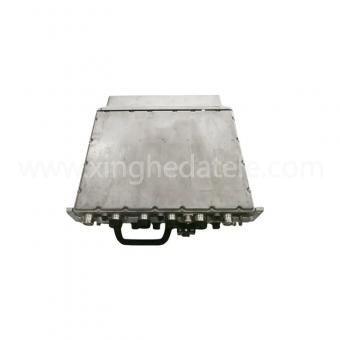
As mobile data traffic keeps expanding and operators advance toward 5G‑Advanced transformation, radio access network total cost of ownership (TCO) has become one of the core metrics for telecom decision‑makers. TCO covers not only upfront capital expenditure (CapEx) on hardware procurement but also long‑term operational expenditure (OpEx): site power consumption, spare‑parts inventory, field maintenance, cabinet space, and future upgrade investment protection. Modern Nokia baseband boards and modules, including AirScale high‑capacity baseband cards and Tuuli‑series compact baseband units, are purpose‑built to balance high‑performance processing needs with sustained cost reduction across the full network lifecycle.
This article explores how operators can make full use of Nokia baseband hardware portfolios to cut power expenses, simplify site modernization, reduce maintenance burden, and avoid unnecessary rip‑and‑replace costs, with real‑world references to mainstream product models such as AirScale System Module baseband capacity cards, AirScale control cards, and Tuuli 26e outdoor baseband unit.
Before implementing hardware upgrades, it is critical to identify primary cost pain‑points in existing deployments:
Nokia’s ReefShark‑powered baseband product portfolio directly addresses these pain‑points through multi‑RAT support, high‑density modular design, backward‑compatible modernization paths, and industry‑leading energy‑saving performance.
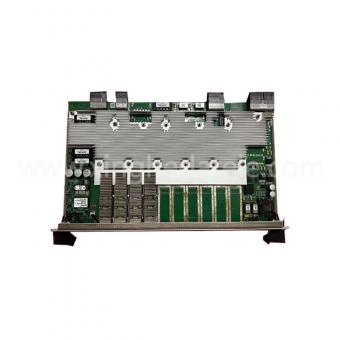
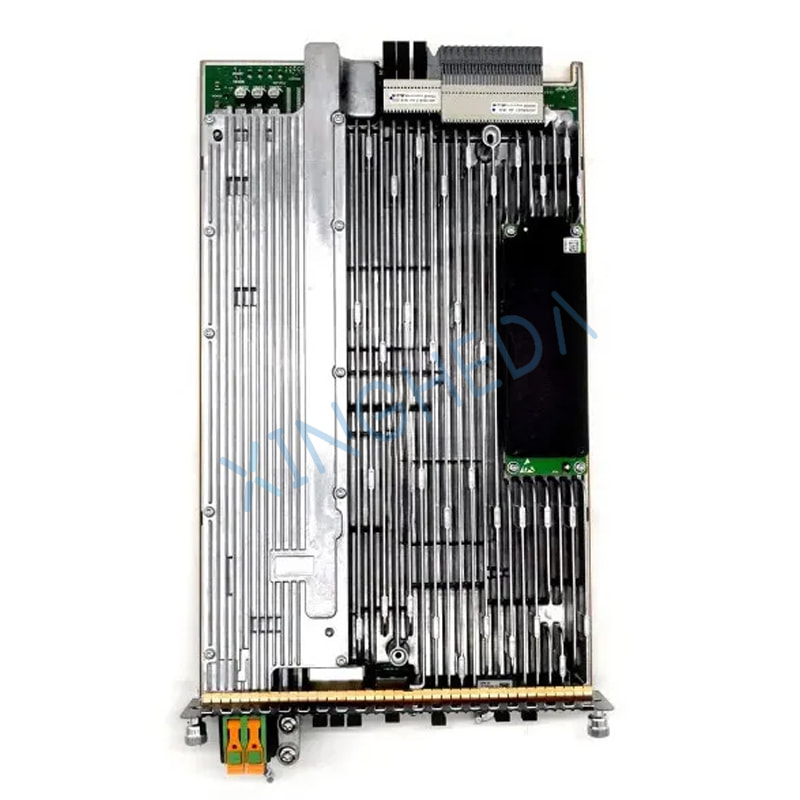
Energy cost represents a large share of site operational spending. The latest‑generation AirScale plug‑in baseband capacity cards double supported cell quantities while reducing power draw by up to 80%; matching AirScale control cards can cut energy consumption by as much as 90% compared with legacy counterparts, under equivalent throughput requirements.
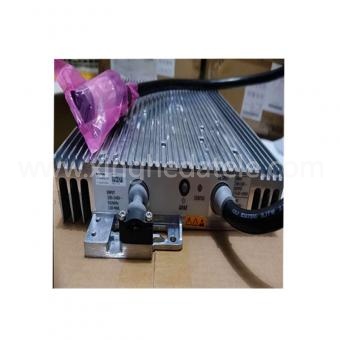
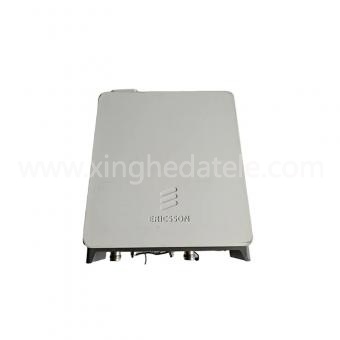
For outdoor‑focused modernization projects, the Tuuli 26e compact outdoor baseband unit supports 2G‑to‑5G multi‑RAT processing within one compact hardware unit. In live operator deployments, replacing older Flexi‑generation baseband hardware with Tuuli 26e has delivered site‑level energy savings of up to 70% without compromising coverage or capacity performance. Lower power draw also reduces cooling load for site cabinets, creating cascading secondary savings for air‑conditioning systems.
A major TCO killer is “rip‑and‑replace” upgrades that discard still‑usable site enclosures, power supply assemblies, and cabinet infrastructure. Tuuli 26e is engineered to fit into existing Flexi series cabinets directly via slide‑in installation, so operators retain their current physical site assets instead of purchasing brand‑new housings for each location.
Within indoor central‑site deployments, the AirScale System Module adopts a modular card‑based architecture. Operators add or swap individual baseband capacity cards and control cards according to real‑time traffic growth rather than replacing the whole shelf. This granular scaling prevents over‑provisioning hardware ahead of actual business demand and extends the usable lifespan of existing chassis infrastructure.
Running separate hardware for each mobile generation increases cabinet space usage and expands spare‑part inventories. Products such as Tuuli 26e and AirScale multi‑RAT baseband cards consolidate 2G, 3G, 4G and standalone 5G processing on unified hardware platforms.
Consolidation brings two clear cost benefits:
Field truck‑roll expenses for site visits contribute heavily to OpEx. Tuuli‑family outdoor baseband hardware integrates WiFi Local Management Port (LMP) capability, enabling remote local‑access commissioning, configuration and diagnostics without sending technicians to climb towers or open outdoor cabinet doors for every routine check‑up.
AirScale baseband cards support hot‑swap capability. Faulty board replacement can be completed without full shelf power‑off, minimizing service‑disruption windows and accelerating fault recovery times. Less time spent on‑site per incident directly lowers labor and travel costs for operation teams.
Operators can follow this practical workflow when introducing Nokia baseband hardware to realize measurable TCO improvements:
Q: Can these baseband upgrades help operators meet sustainability targets alongside TCO reduction?
A: Yes. Lower site power consumption cuts both electricity bills and carbon emissions. Solutions such as Tuuli 26e have proven real‑world capability to reduce site energy draw significantly, supporting operators to progress toward net‑zero objectives while optimizing financial performance.
Q: Will new baseband hardware support future 5G‑Advanced feature roll‑outs?
A: AirScale and Tuuli‑series hardware built upon ReefShark chip technology are AI‑ready and O‑RAN‑compliant. New 5G‑Advanced functions can largely be enabled via software upgrades, deferring major hardware replacement investment and protecting today’s capital spending into future network generations.
Q: What is the typical return‑on‑investment timeline for baseband modernization projects?
A: ROI varies by site conditions, traffic volume and local power prices. Sites with high electricity cost and aging legacy hardware tend to see faster payback, driven by energy‑saving gains and reduced field‑maintenance expenses.
2506 Xidi Building, No. 8 Fenglin Third Road,Yuelu District, Changsha City, Hunan Province