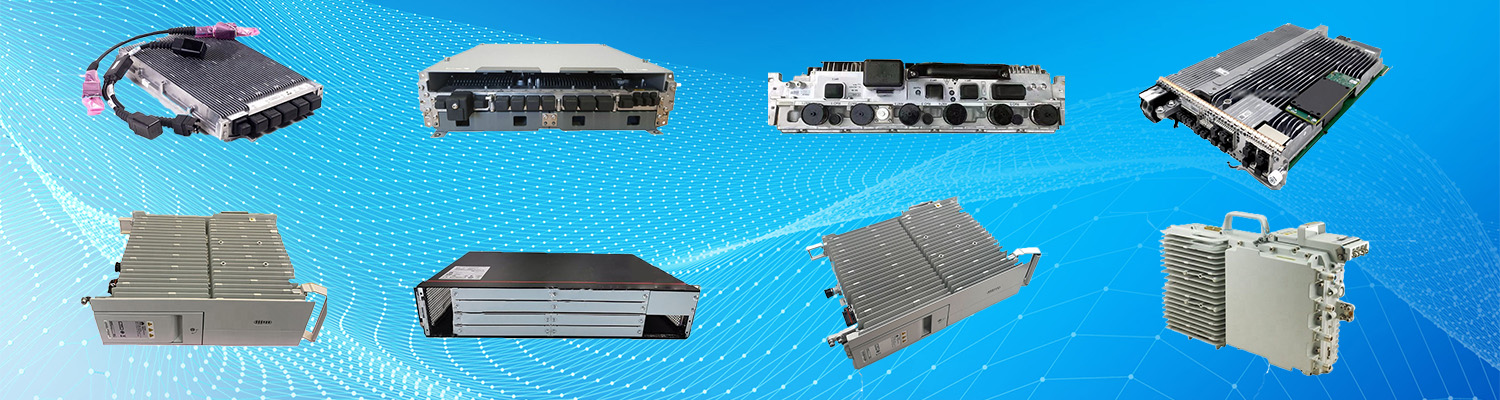
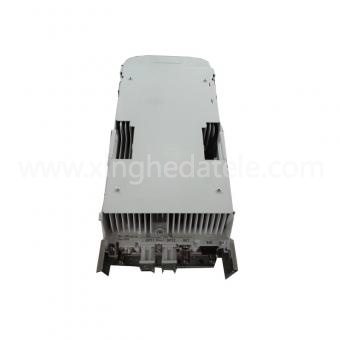
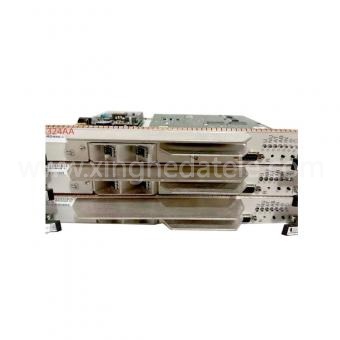
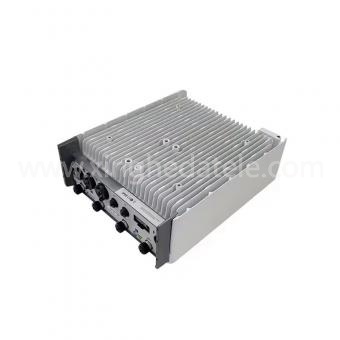
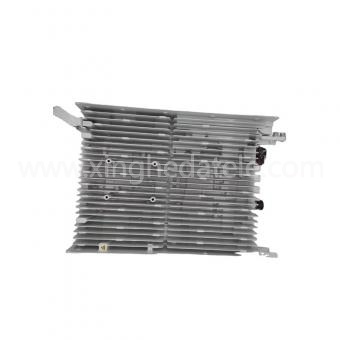
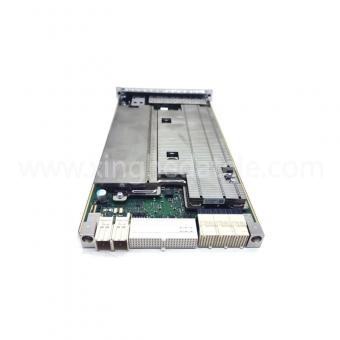
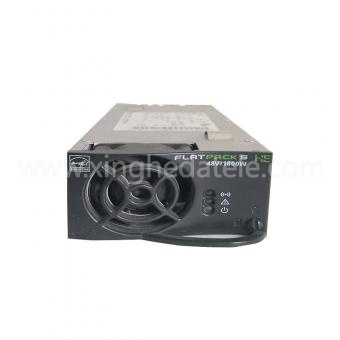
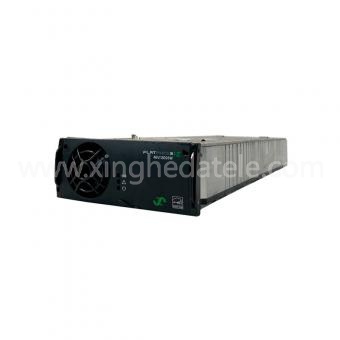
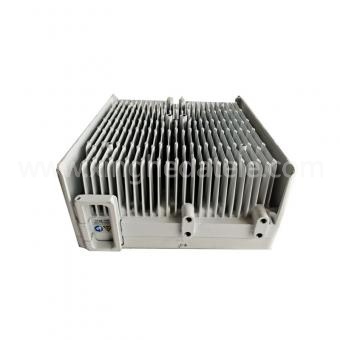
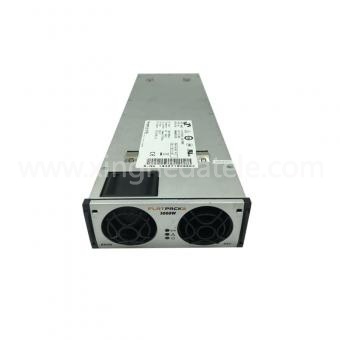
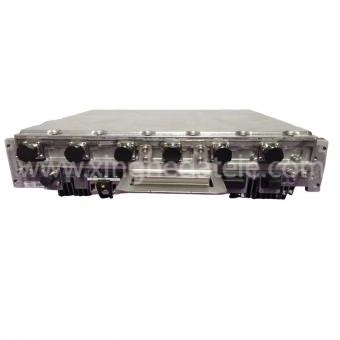
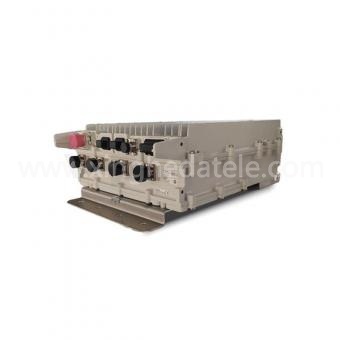
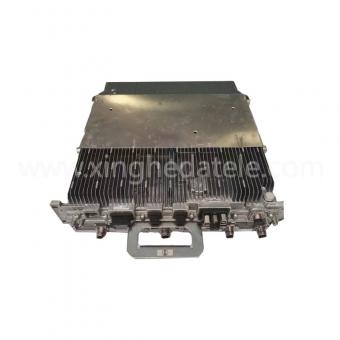
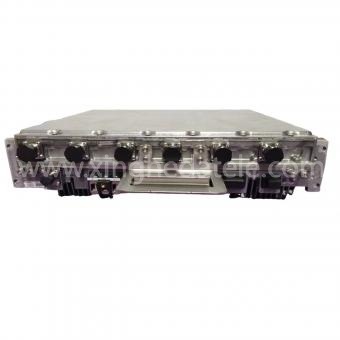
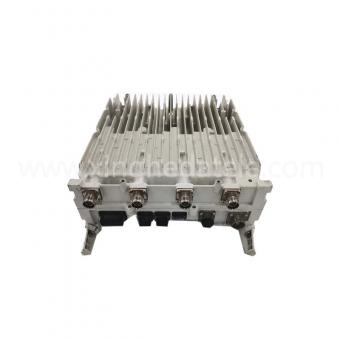
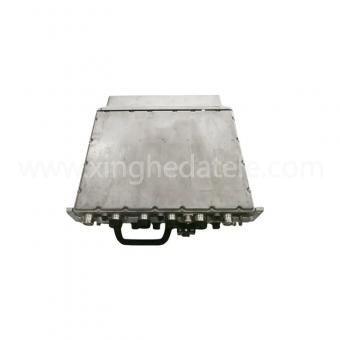
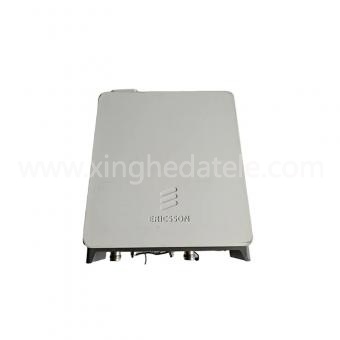
As mobile operators continue balancing legacy service support, spectrum refarming and CAPEX control, the Nokia Flexible Multi-Radio (Flexi Multiradio) BTS platform stays a trusted modular RAN solution worldwide. Built on software-defined radio architecture, this family unifies GSM/EDGE, WCDMA and LTE on one common hardware ecosystem, allowing MNOs and system integrators to mix radio modules, scale sectors and upgrade features via software without full site replacement.
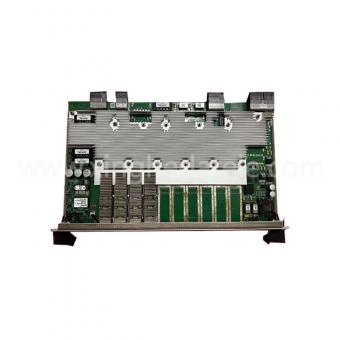
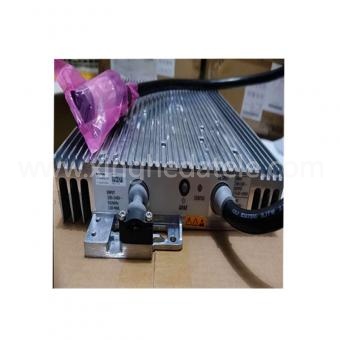
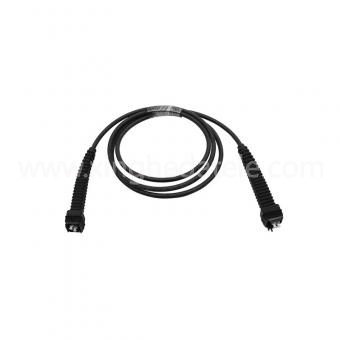
The platform’s core baseband unit is the FSMF (472181A). It pairs with a broad lineup of radio transceivers including FWND (473122A.102), FRGT (472810A), FRGP (084629B) and FRGX (473440A). FWND serves as an integrated multi-RAT transceiver for mixed 2G/3G/4G rural and suburban sites. FRGT is widely deployed for LTE 1800 MHz capacity expansion in dense urban zones. FRGP targets 900 MHz wide-area coverage, while FRGX delivers high-power 2100 MHz 3G/LTE capacity for mid-to-high data demand areas. Complementary accessories include FZFD power distribution units, FBBA fan modules and CPRI optical jumpers for stable cabinet deployment.
Though Nokia’s AirScale portfolio leads new 5G builds, the Flexi Multiradio BTS ecosystem maintains steady demand for spare swaps, site rehabilitation and secondary-market sourcing. Its compact footprint, shared cabinet infrastructure and multi-standard coexistence make it ideal for operators retaining 2G voice coverage while gradually shifting spectrum to 4G.
A: Standard modules including FWND, FRGT, FRGP and FRGX support GSM/EDGE, WCDMA (UMTS) and LTE, configurable in single-RAT or mixed-RAT mode through software licenses. This platform does not natively support 5G NR. For 5G deployment, operators migrate to Nokia AirScale radios such as AHDB and ASIB series.
A: Yes. FSMF is the central baseband controller for this Flexi platform. FWND, FRGT, FRGP and FRGX can be combined on the same FSMF, subject to software release limits, CPRI resource planning and license entitlements. This is the main reason operators can add LTE capacity by plugging in FRGT radios to an existing FWND site.
A: No. Flexi radios use legacy CPRI interfaces and run on the classic Flexi BTS stack. AirScale relies on a newer platform architecture and eCPRI, so cross-platform mixing is not supported. Any upgrade path to AirScale requires replacing both radio and baseband hardware.
A: Always validate part number, hardware revision and pre-shipment test reports. Reliable vendors complete power cycling, RF performance, optical port and firmware validation under ESD controls. Field engineers should also cross-check spectrum band and software compatibility with the existing FSMF before installation.
A: FWND (473122A.102) is an all-in-one multi-RAT transceiver built for co-running 2G/3G/4G on the same unit, suited for rural coverage. FRGT (472810A) is a LTE-focused remote radio head optimized for high-density urban capacity expansion. Many hybrid sites run FWND for baseline multi-generation coverage plus extra FRGT modules to boost LTE throughput.
2506 Xidi Building, No. 8 Fenglin Third Road,Yuelu District, Changsha City, Hunan Province