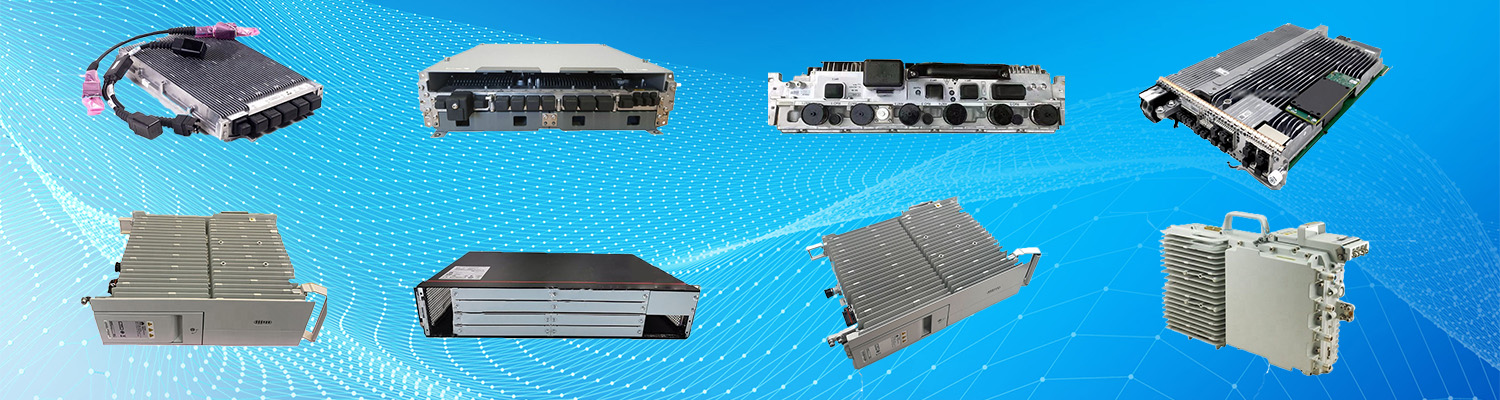
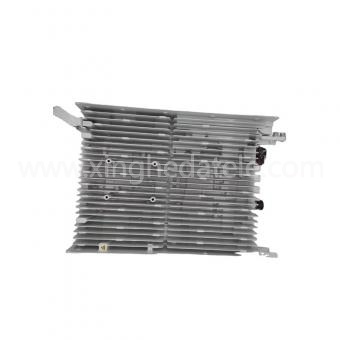
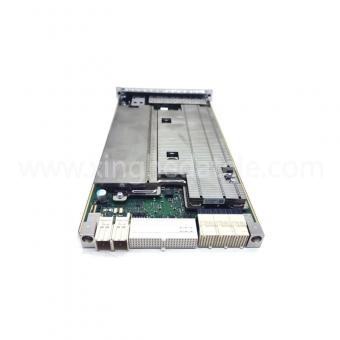
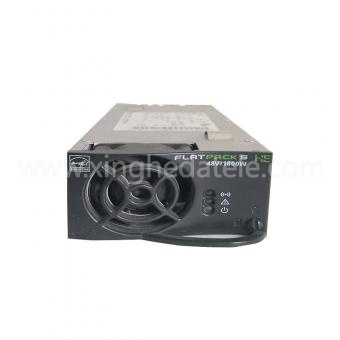
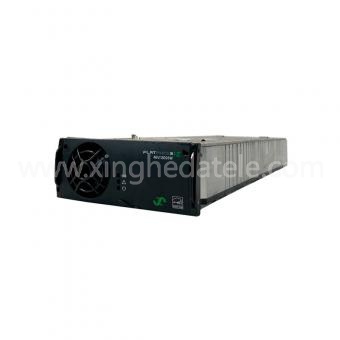
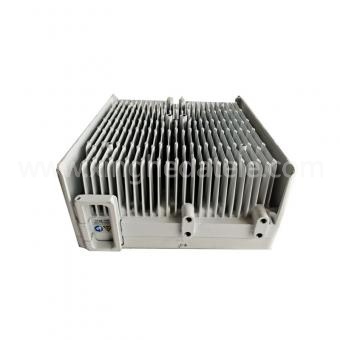
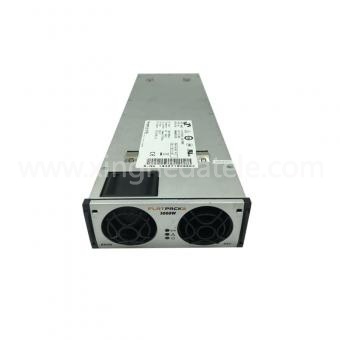
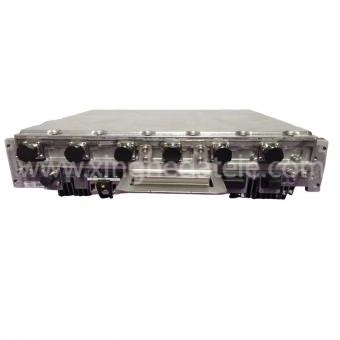
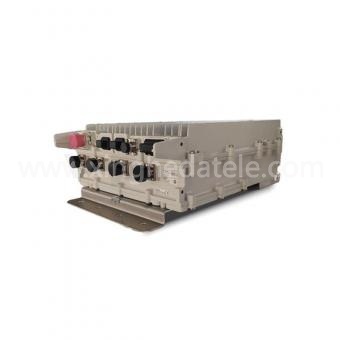
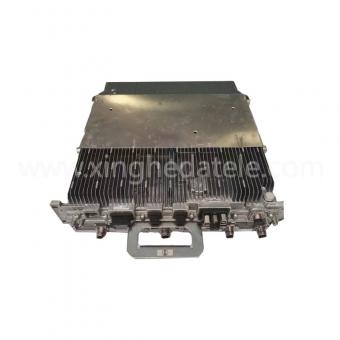
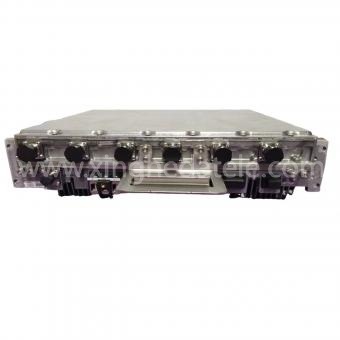
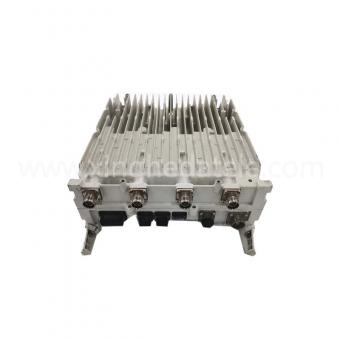
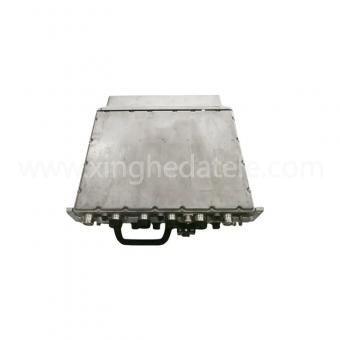
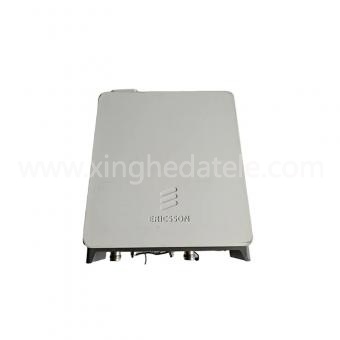
Modern mobile networks are pushing higher throughput, lower latency, and massive‑scale device connectivity every day. Network operators frequently struggle with unstable connections, unexpected service interruptions, and sub‑optimal throughput caused by counterfeit or mismatched baseband hardware. Genuine Huawei baseband boards deliver robust signal processing capabilities to resolve these pain points, stabilizing network performance across diverse deployment scenarios. This article explains core functions, real‑world deployment scenarios, key performance advantages, and practical advice for network operators managing 4G‑5G infrastructure.
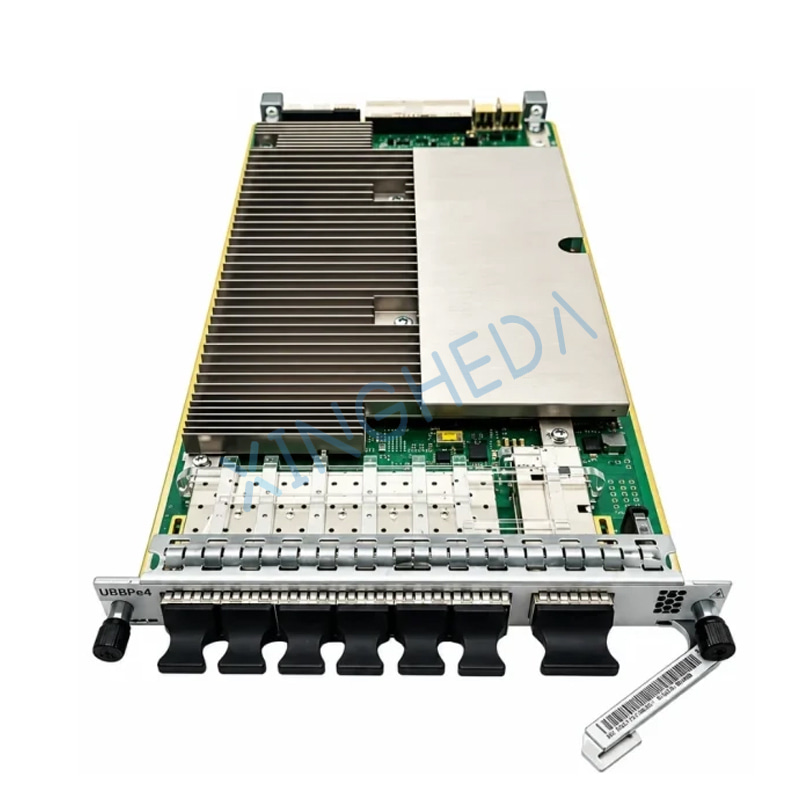
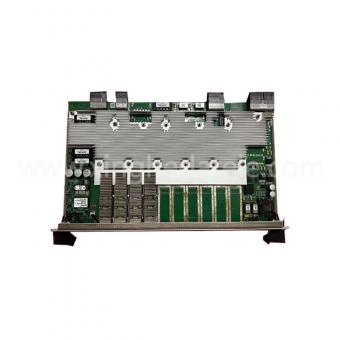
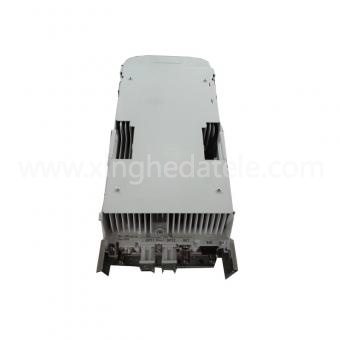
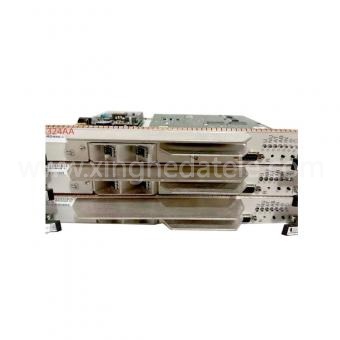
A baseband board acts as the digital processing core inside BBU (Baseband Unit) equipment. It handles critical wireless tasks including signal encoding, decoding, modulation and demodulation, and communicates with remote radio units over CPRI or eCPRI interfaces. Following 3GPP industry specifications, authentic hardware undergoes strict performance and reliability testing to maintain consistent service quality under heavy traffic loads. Without qualified baseband processing, voice calls, video streams, and IoT data transmission will suffer from drops, delays, or data corruption.
Genuine Huawei baseband boards support multi‑mode network operation and fit a wide range of use‑cases:
Choosing authentic baseband hardware brings measurable operational benefits for telecom operators and private network builders:
If you plan to upgrade or replace baseband boards in your network:
Investing in genuine baseband boards is not only about better performance today; it protects your network investment for future‑oriented 5G‑advanced upgrades.
A: Counterfeit or incompatible boards often cause unstable signal quality, unexpected service outages, higher failure rates, and lack official firmware updates. These issues raise maintenance costs and may violate network compliance standards.
A: Yes. Most modern genuine baseband boards support multi‑mode concurrent operation, allowing operators to run 4G and 5G services on one hardware unit for smooth network evolution.
A: Pay attention to maximum processing capacity, CPRI/eCPRI interface support, operating temperature range, multi‑radio‑access‑technology compatibility, and matching requirements for your existing BBU cabinet model.
A: For genuine boards, official maintenance services are available for eligible units. Damaged counterfeit hardware usually cannot obtain official repair support, and replacement becomes the only option.
A: Not always. Most original boards maintain backward compatibility with existing RRUs. You only need to verify interface protocol and version matching in official documentation before performing upgrades.
2506 Xidi Building, No. 8 Fenglin Third Road,Yuelu District, Changsha City, Hunan Province