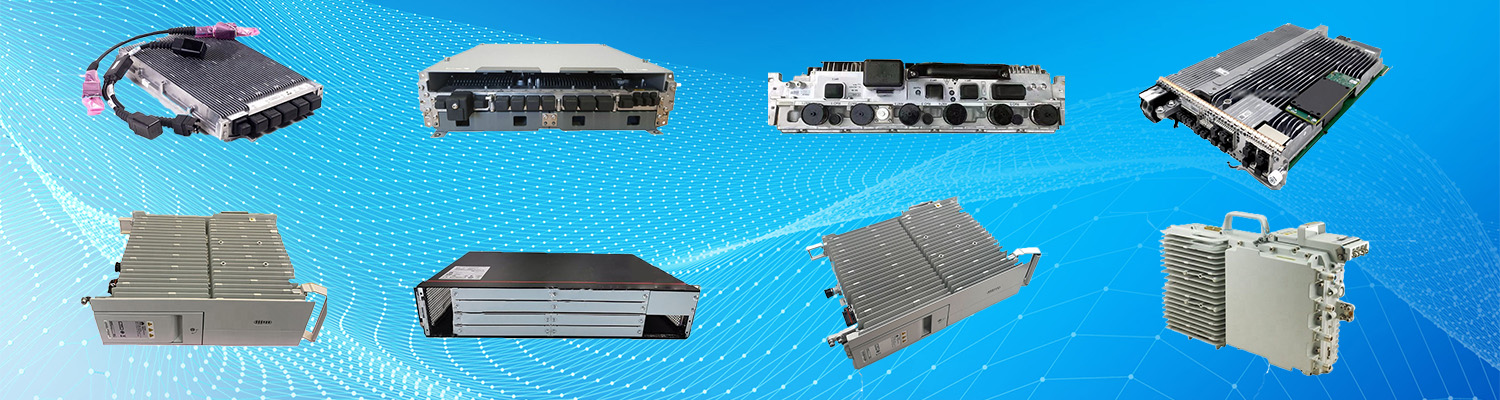
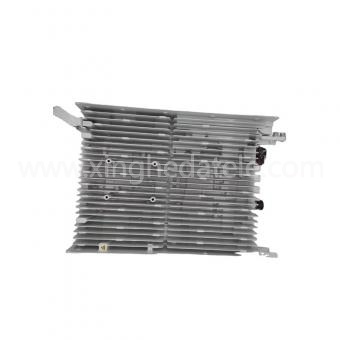
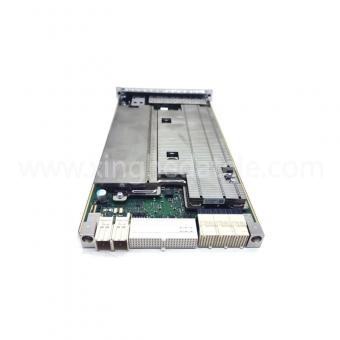
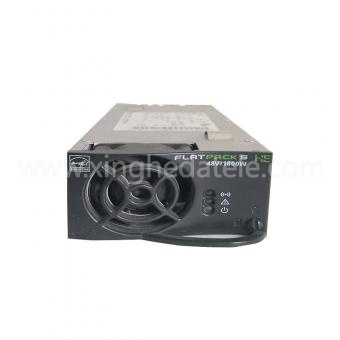
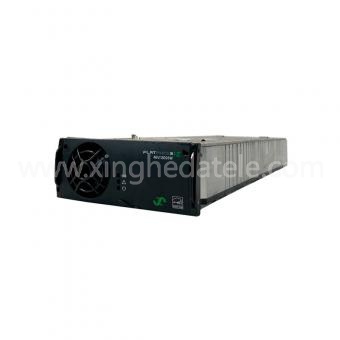
In today's discussion, we explore the baseband unit (BBU), a critical component of the radio access network (RAN). This article covers its role, importance, core functions, internal architecture, and the real‑world products that bring this technology to life in 4G and 5G networks.
A baseband unit (BBU) is a fundamental building block of wireless communication systems, especially in cellular networks. It processes baseband signals — the original frequencies of transmissions before they undergo modulation. The BBU is responsible for converting, framing, and modulating these signals to ensure efficient and reliable transmission. Essentially, the BBU acts as the "brain" of the base‑station system, coordinating effective communication between various network elements. Because the signals it handles carry information in its raw, unmodulated form, the BBU is crucial for preserving the integrity of voice, messaging, and mobile data throughout the delivery chain.
BBU stands for Baseband Unit. It processes baseband signals and plays a pivotal role in both 4G LTE and 5G networks. In 5G environments, the BBU is responsible for managing all 5G protocol stacks and ensuring seamless, low‑latency connectivity to the 5G core network. Under 5G specifications, the traditional monolithic BBU is logically split into a Central Unit (CU) and a Distributed Unit (DU), yet the combined hardware continues to perform the overall baseband‑processing mission.
A baseband unit performs several critical functions in a wireless communication system:
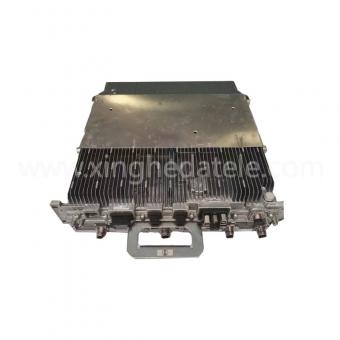
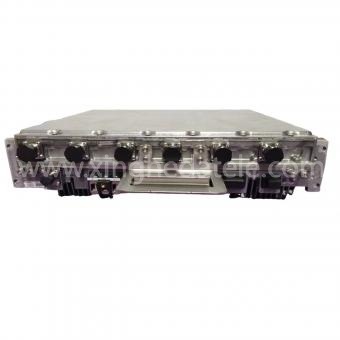
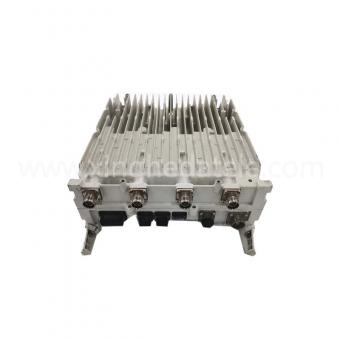
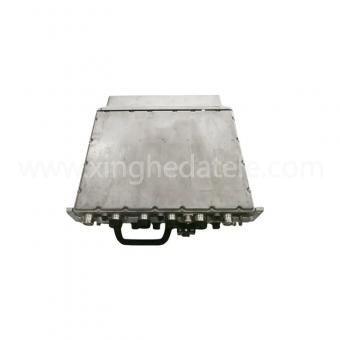
Several major vendors ship BBU hardware optimized for different network generations. Here are representative examples commonly deployed in the field:
| Product | Vendor | Role / Key Feature |
|---|---|---|
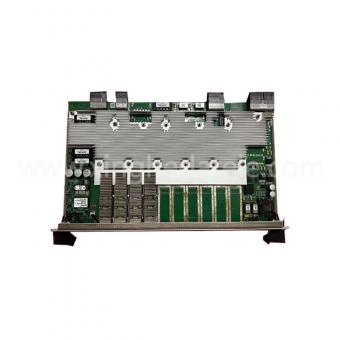
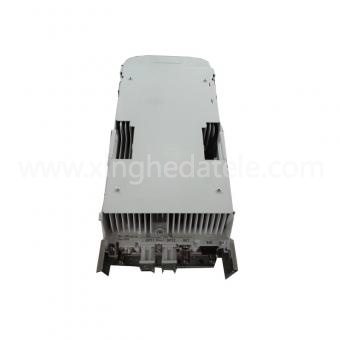
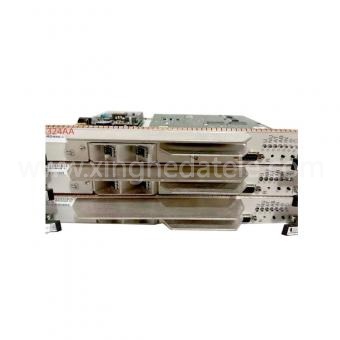
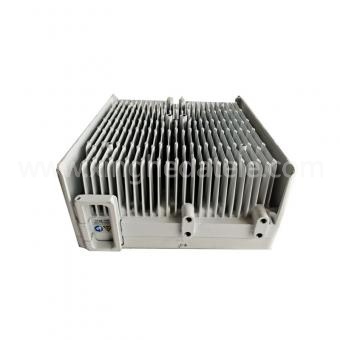
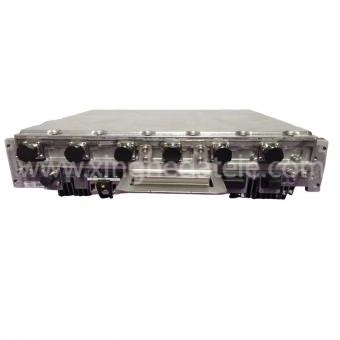
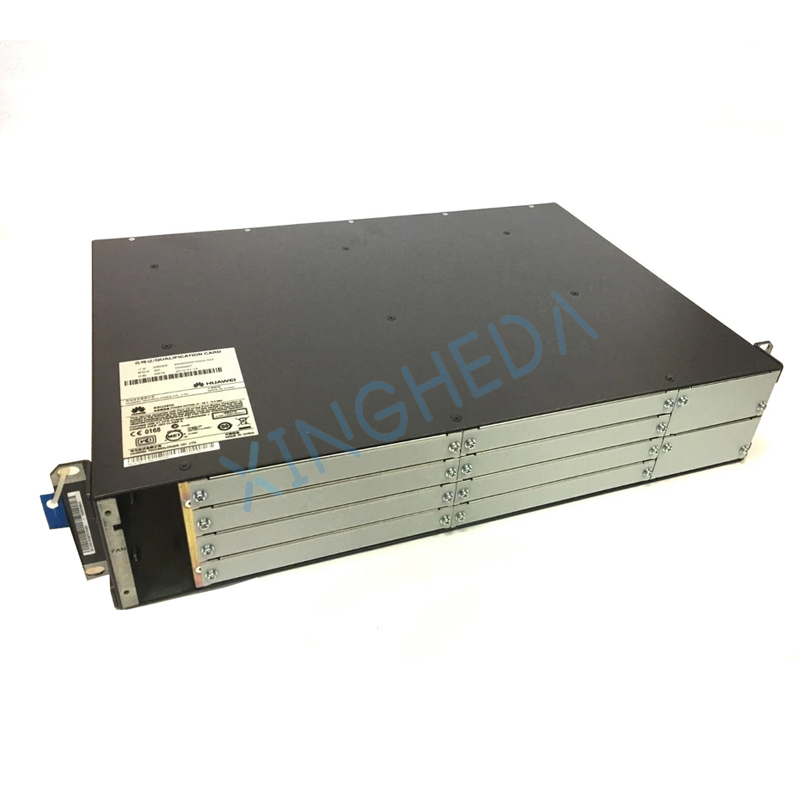
| HUAWEI BBU5900 | Huawei | Flagship 5G‑ready BBU built around "six modules, one frame," ultra‑large transmission capacity, and extreme evolution — designed to support multi‑frequency, multi‑standard, multi‑service converged network builds. |
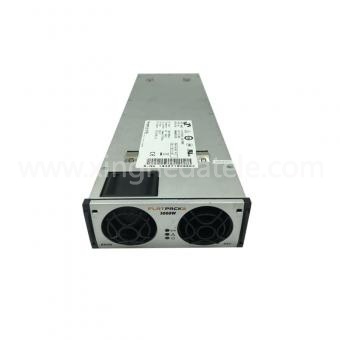
| Nokia AMIA | Nokia | Baseband processing unit for wireless RAN, responsible for baseband‑signal processing and management across LTE and 5G site configurations. |
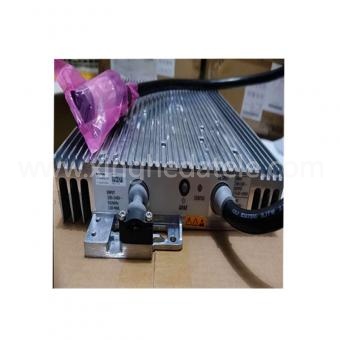
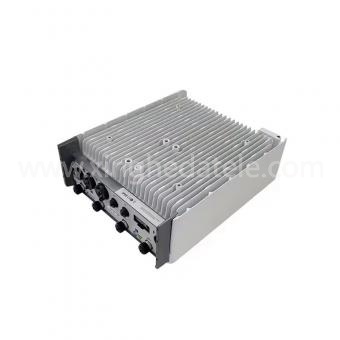
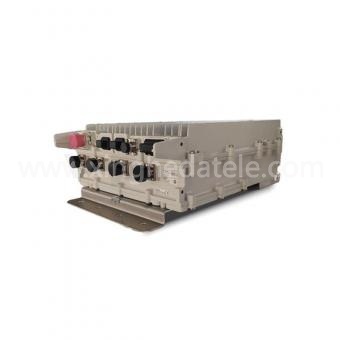
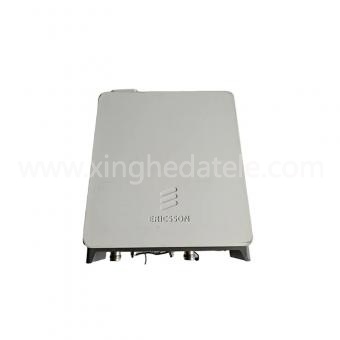
| Ericsson 4418 B40T | Ericsson | A 4×4 MIMO Remote Radio Unit (RRU) for the radio‑frequency part of the base‑station chain; works with the control, transmission, and baseband sections to form a complete base‑station system. |
Note: A BBU and an RRU/RRH are two halves of the same base‑station system. The BBU handles digital baseband processing; the RRU/RRH handles RF conversion, filtering, and amplification close to the antenna.
A complete BBU system is built from several functional modules, each with a unique job.
Q1: What is the difference between a BBU and an RRU / RRH?
A: The BBU is responsible for digital baseband processing — encoding, modulation, protocol handling, and core‑network interconnection — and is typically installed indoors in an equipment room. The RRU/RRH handles the radio‑frequency domain: it converts digital baseband data into RF radio waves (and back), performs filtering and amplification, and is usually mounted outdoors near the antenna. They are connected over fiber fronthaul links.
Q2: How does the CU‑DU split relate to a traditional BBU in 5G?
A: In 4G, virtually all baseband functions ran inside a single integrated BBU chassis. In 5G, that function is logically split: the CU handles non‑real‑time, higher‑layer protocols (PDCP, SDAP), while the DU handles time‑critical, lower‑layer processing (RLC, MAC, PHY). CU and DU can run on separate hardware or virtualized platforms, giving operators flexible deployment, resource pooling, and network‑slice support.
Q3: Can a BBU work alone without an RRU?
A: No. A BBU alone only performs digital baseband processing and cannot transmit or receive radio waves. A complete base‑station system requires the BBU plus an RRU/RRH (and antenna) to provide wireless service to end users.
Q4: Why are fiber‑optic cables required between the BBU and the RRU?
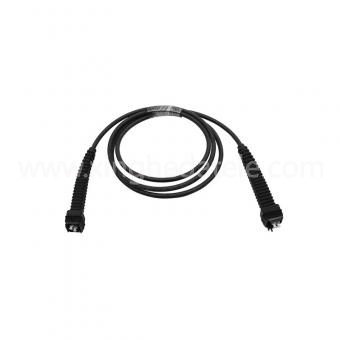
A: Fronthaul protocols such as CPRI (4G) and eCPRI (5G) demand very high bandwidth and tight timing synchronization. Copper cabling cannot meet these throughput and latency requirements, so optical fiber is used to carry large volumes of baseband data between centralized baseband hardware and remote radio units.
Q5: Do real BBU products like the BBU5900, Nokia AMIA, or Ericsson 4418 work together across vendors?
A: In principle, BBU and RRU must match the same vendor's product line and air‑interface standard to interoperate, because the fronthaul interface and protocols are vendor‑specific. These models are each designed to work within their own vendor's RAN portfolio — for example, the HUAWEI BBU5900 pairs with Huawei RRUs, while the Ericsson 4418 B40T is part of Ericsson's base‑station chain.
2506 Xidi Building, No. 8 Fenglin Third Road,Yuelu District, Changsha City, Hunan Province